Events and Activities in November & December
SOW Activities
Bring and Mend (and Sharpen) session
Wednesday 11 November, 7:30pm at Oakington Church Hall
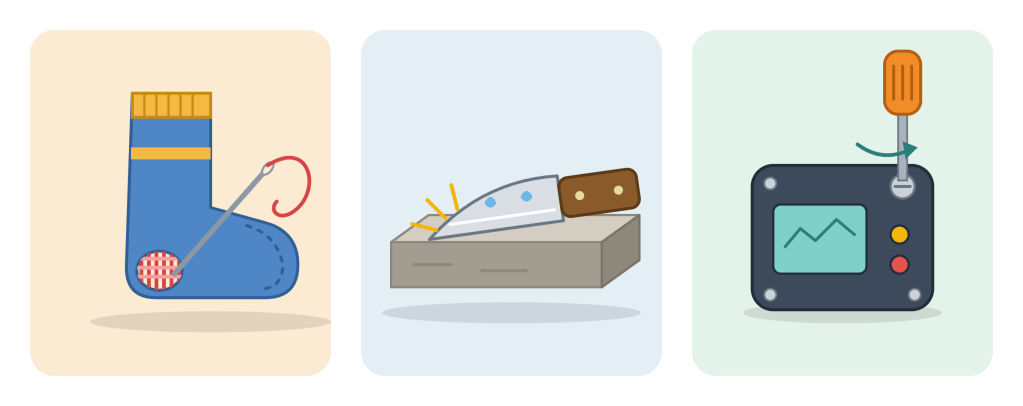
Bring something you’d like to mend – perhaps some clothes to patch, socks to darn or a household item you’ve been meaning to repair – and the tools you need. (A sewing machine will be available.) We’ll share tips and help each other.
Nikki will be there with sharpening tools – so bring kitchen knives and garden tools which you’d like to sharpen and she’ll help you do it.
(For anything too hard to mend yourself – make a diary note that Oakington & Westwick Repair Cafe is 6 February next year!)
Tree Guard Collecting Session, weekend in November TBC
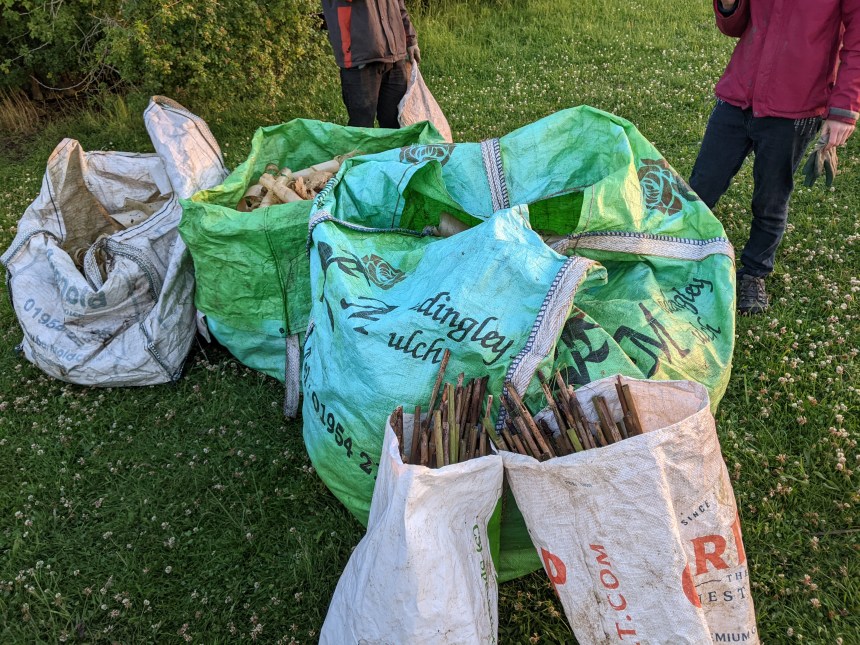
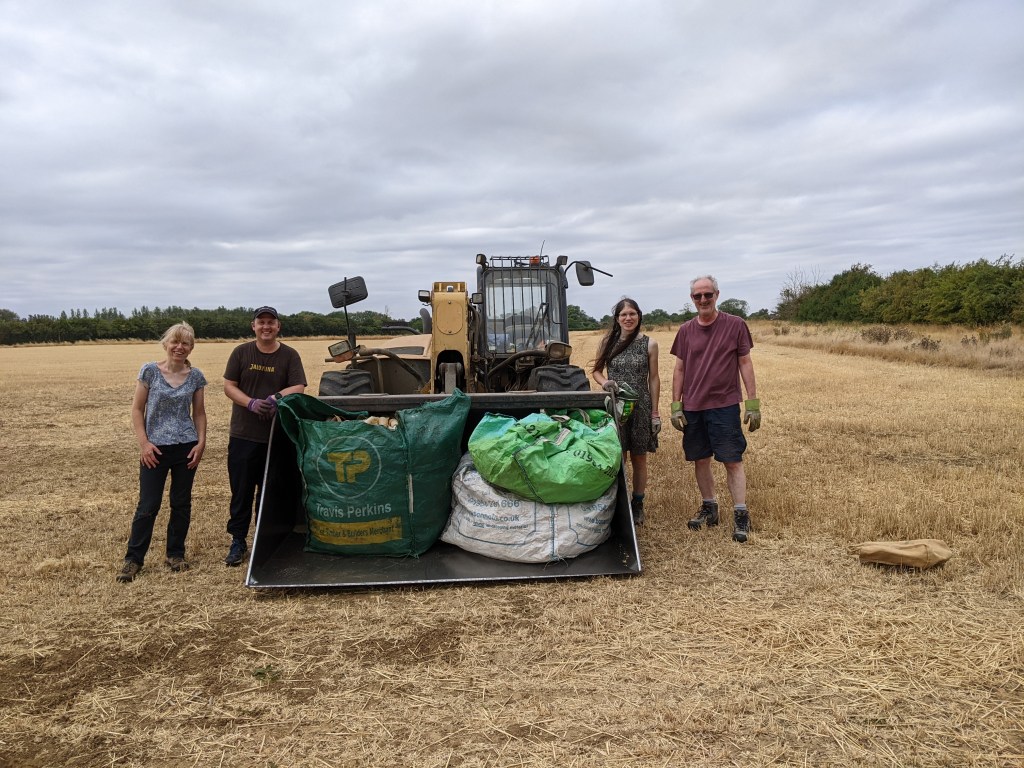
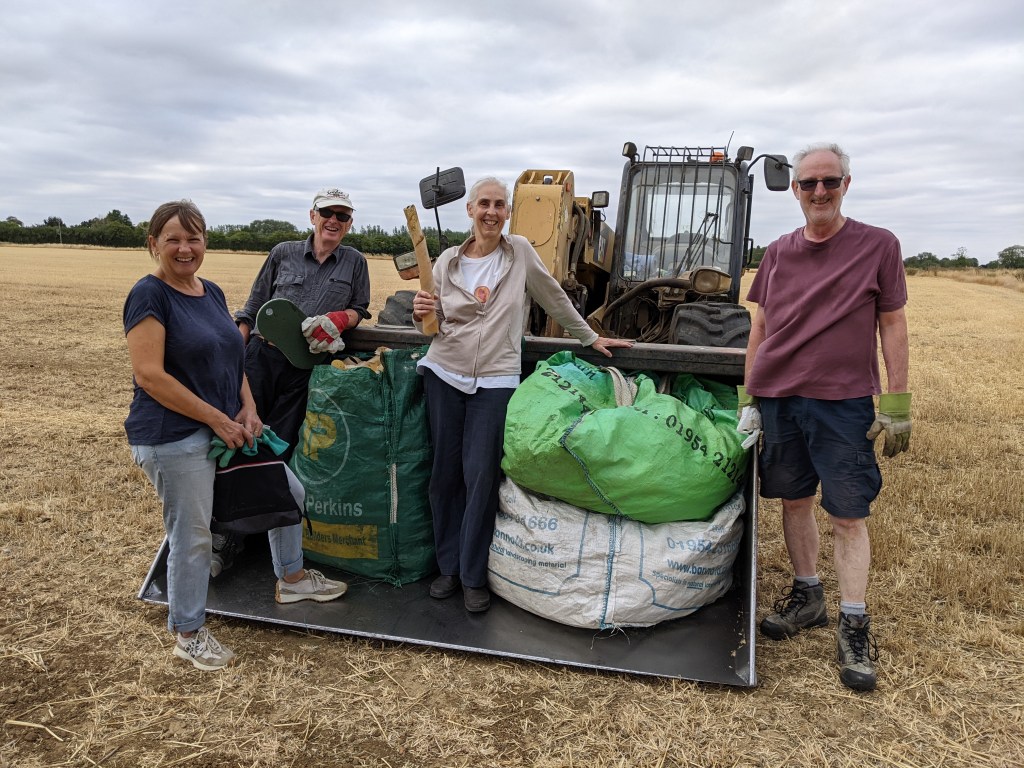
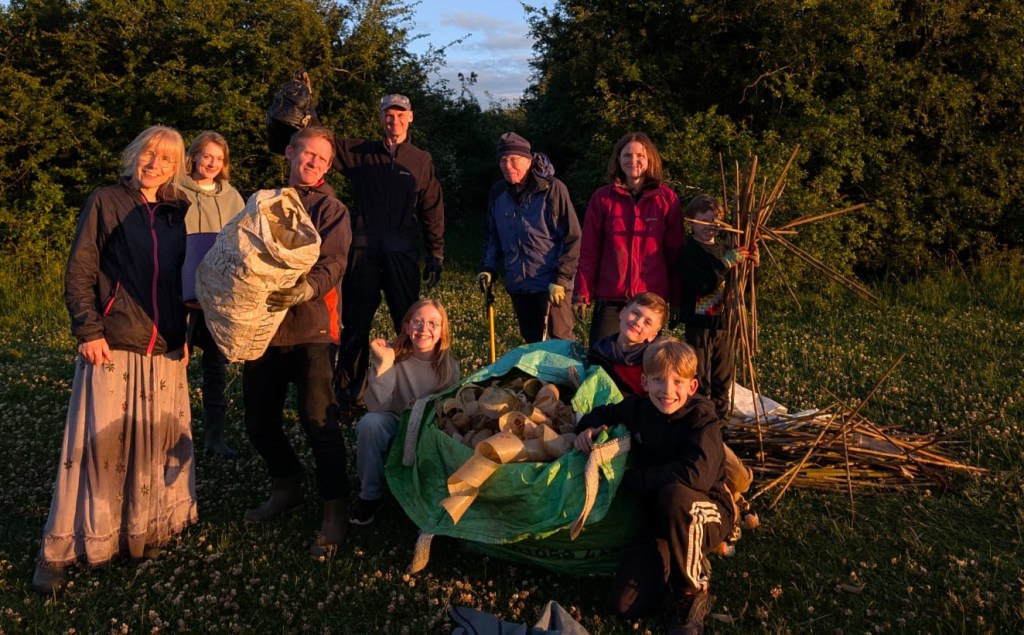
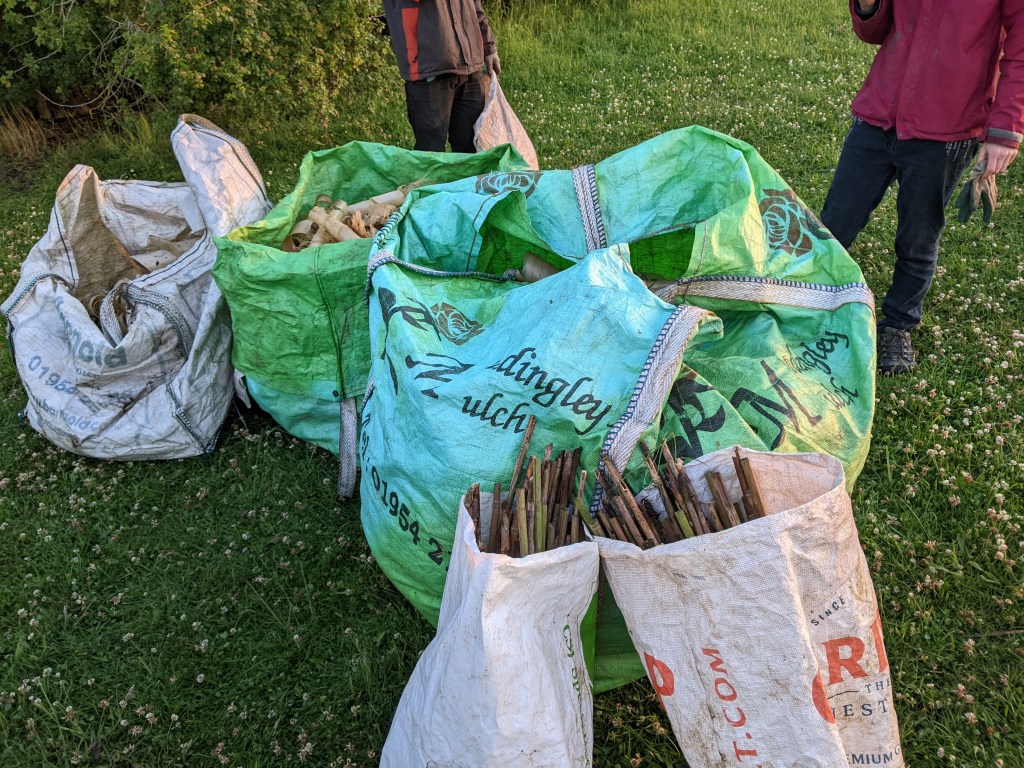
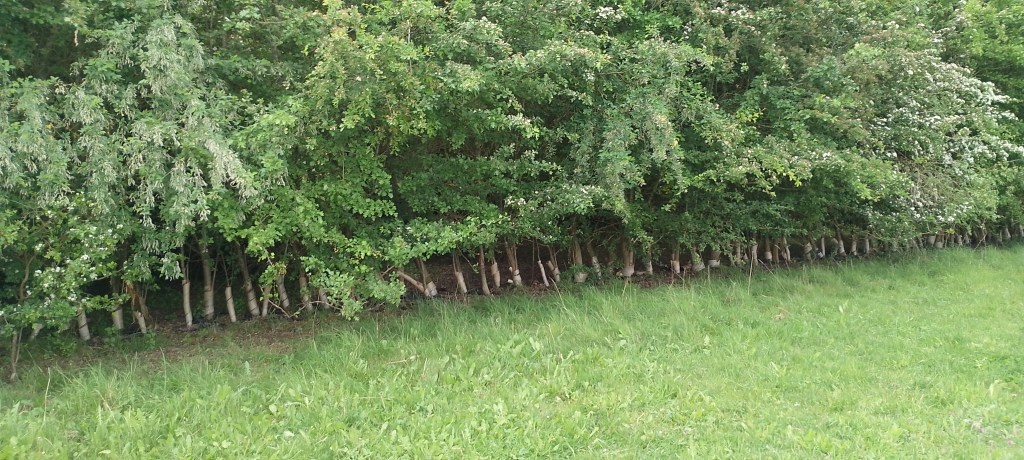
Another chance to rid the Millennium Wood of plastic tree guard litter – worthwhile and satisfying! Details to follow.
Christmas Wreath Workshop
Wednesday 9 December, 7:30pm at Oakington Church Hall
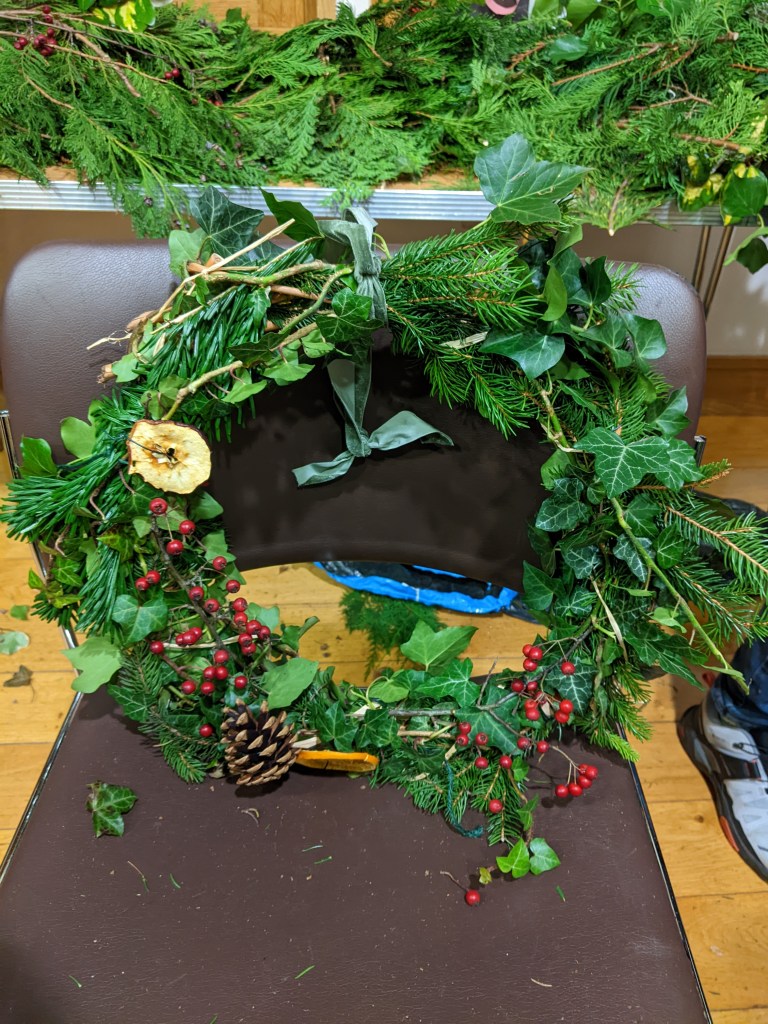
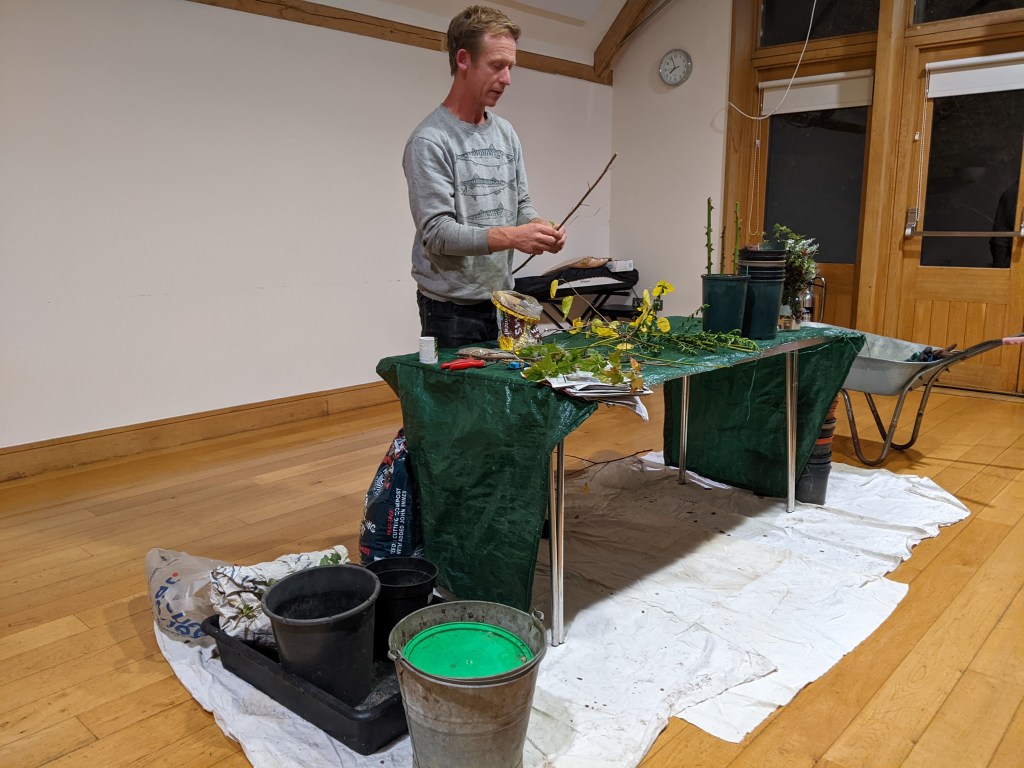
SOW’s final session of the year will be a chance to learn how to create a Christmas wreath, led by our own Ems Jordan.
All ages welcome! Please bring a small donation of £3 to cover materials and hall hire, and if you have ivy or other greenery in your garden, please bring some along!
Oakington & Westwick Green Spaces
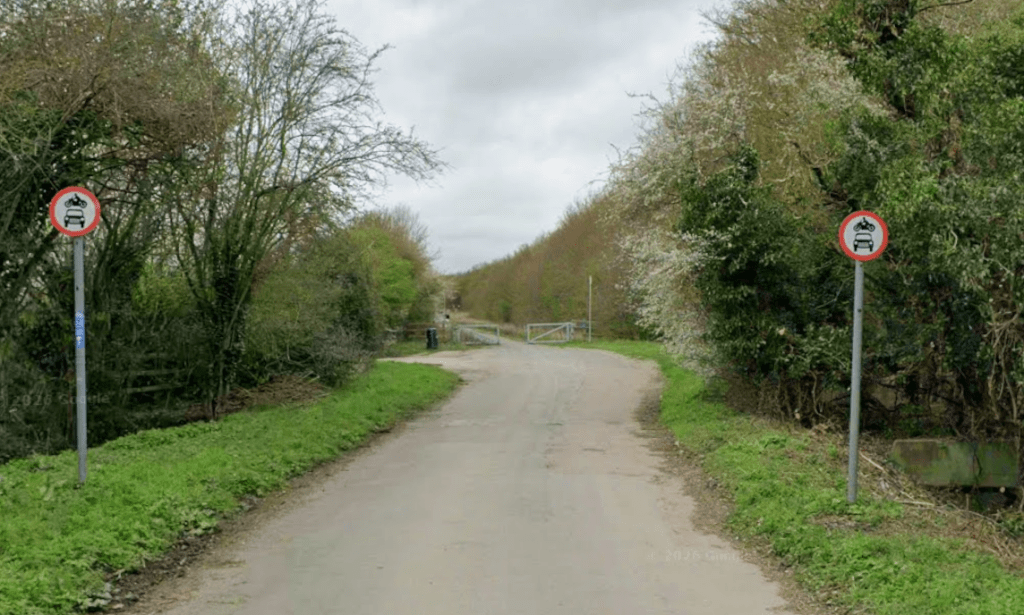
Planning pressures now and in the future threaten to surround Oakington & Westwick with development. Northstowe will come right up to the villages, the field at the end of Manor Farm Close succumbed, the Cambridge 25 logistics development may gobble up more of the parish’s countryside. Wouldn’t it be good if we could safeguard some of today’s green space next to the village for the future and for wildlife? Sounds hard, but other communities have achieved this. But it can only happen if we act, and soon… so help is needed. if you could be involved, email sustainableow@gmail.com.
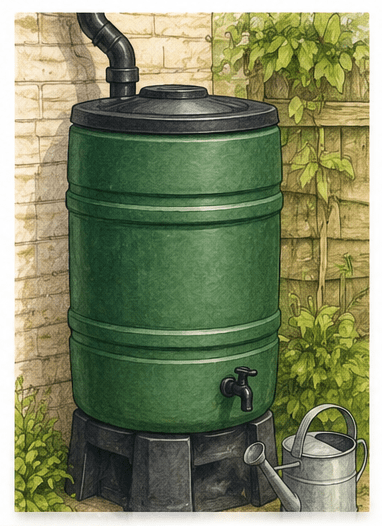
The Butt Lift : beat the drought with a bargain water-butt
Several local sustainability groups are getting together to place a bulk order of water butts at Oakington Garden Centre. This is a great opportunity to collect the winter rain (now we’re getting loads) to build summer resilience. More details on this form – fill it in to express your interest – it doesn’t commit you to buying one. The deadline to do so is 1st December.
Expression of Interest – Water Butt
Other Local Activities
Zero Carbon Communities Newsletter
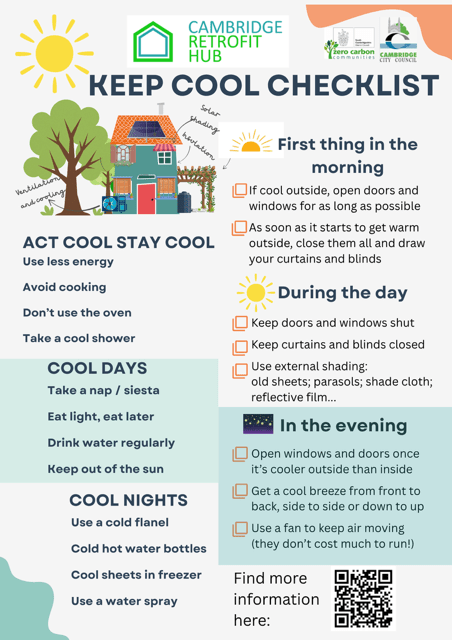
Read it here – includes news of local projects and funding, SCDC reaching major emission milestone, a new guide for home energy upgrade, and resources for car-free adventures and sharing seasonal surplus.
Another chance to see the People’s Emergency Briefing Film
Wednesday 4 November, St Andrew’s Centre, Histon. Doors open 7pm, screening begins 7.30pm.
St Andrew’s Histon Eco Church invite you to join them as they host this important film about the impacts of climate change.
“It’s not about telling people what to think but creating space for informed discussion.”
The film features footage from last November’s National Emergency Briefing to Parliament, bringing together leading UK experts in climate science, food security, health, economics, national security and nature. It presents a calm, evidence-based overview of how the climate and nature crisis is affecting everyday life in Britain – and what the science says about risks and responses.
Following the 50-minute film, they will host a discussion about what this means for the community – an important moment for thoughtful, compassionate local dialogue. Book here – https://standrewshiston.org/event-list/
Local Climate Action Conference 2026
Friday 6 November, 11am to 5pm, Storey’s Field Centre, Eddington
If anyone can make this day, it would be great to have Oakington & Westwick represented. It’s informative and inspirational, sharing ideas and hearing about activities from other communities in South Cambs.
The conference will bring together parish councils, community groups, charities, local organisations and residents from across the district for an afternoon of inspiration, discussion and networking. Attendees will hear about successful local projects, discover new opportunities to get involved, and explore ways to build more resilient, sustainable communities.
A plant-based Lunch and refreshments will be provided.
Please RSVP via this link: SCDC Local Climate Action Conference 2026 6th Nov 2026 11-5pm – Fill in form – and let us know if you are going.
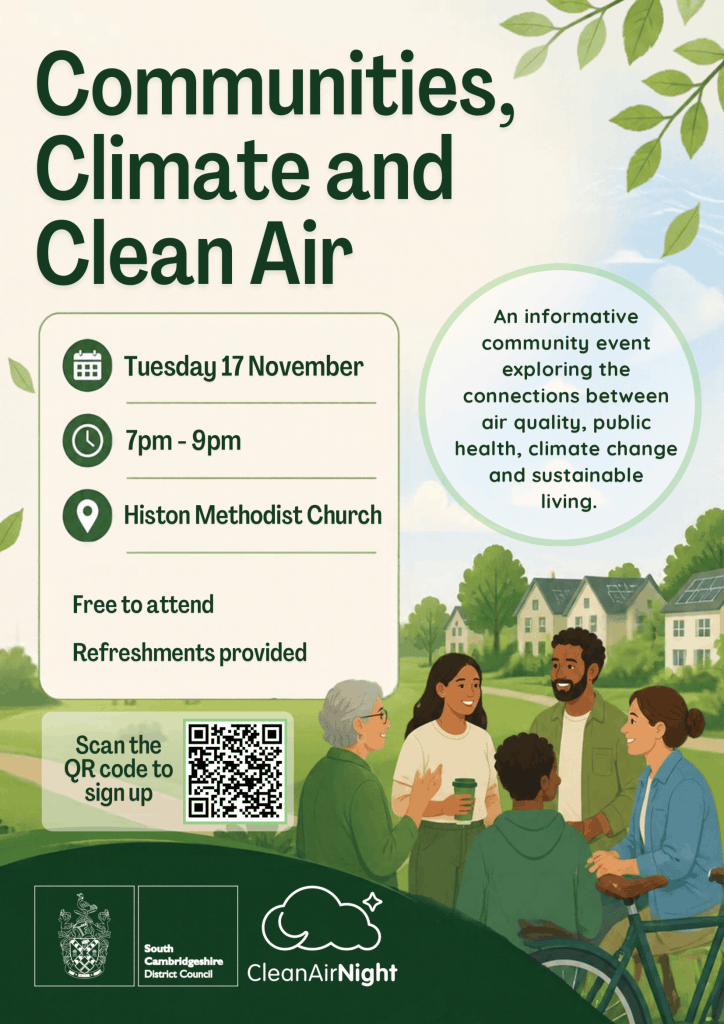
Communities, Climate & Clean Air
An informative community event exploring the connections between air quality, public health, climate change and sustainable living
Tuesday 17 November, 7-9pm, Histon Methodist Church
Hosted by South Cambs. The evening will bring together local experts and guest speakers to share insights and practical advice. Topics will include the impact of air pollution on our health and environment, including emissions from domestic wood burning, and the simple steps we can all take to improve air quality in our homes and communities. Refreshments will be provided. Sign up using the QR code (you can probably also just turn up!)