The statistics that more people are concerned about climate change than many of us thought. And that to have effective conversations with people about it, you have to listen, find common ground and have empathy.
Some highlights from her tips:
People more likely to contribute to public good if they see that others are doing the same – let people know that most people care about climate change
Trust that others are already concerned and taking action.
Listen & show empathy
Help people realise their next step
Ask people what they are already doing for nature.
Encourage people to consider climate change when they vote.
Know & connect with what matters to people (eg nature, avoid waste)
Connect it to everyday life (weather, garden, grandchildren)
How can we use that at the Village Day stall and elsewhere?
The ideas we homed in on were:
Have some general info about SOW
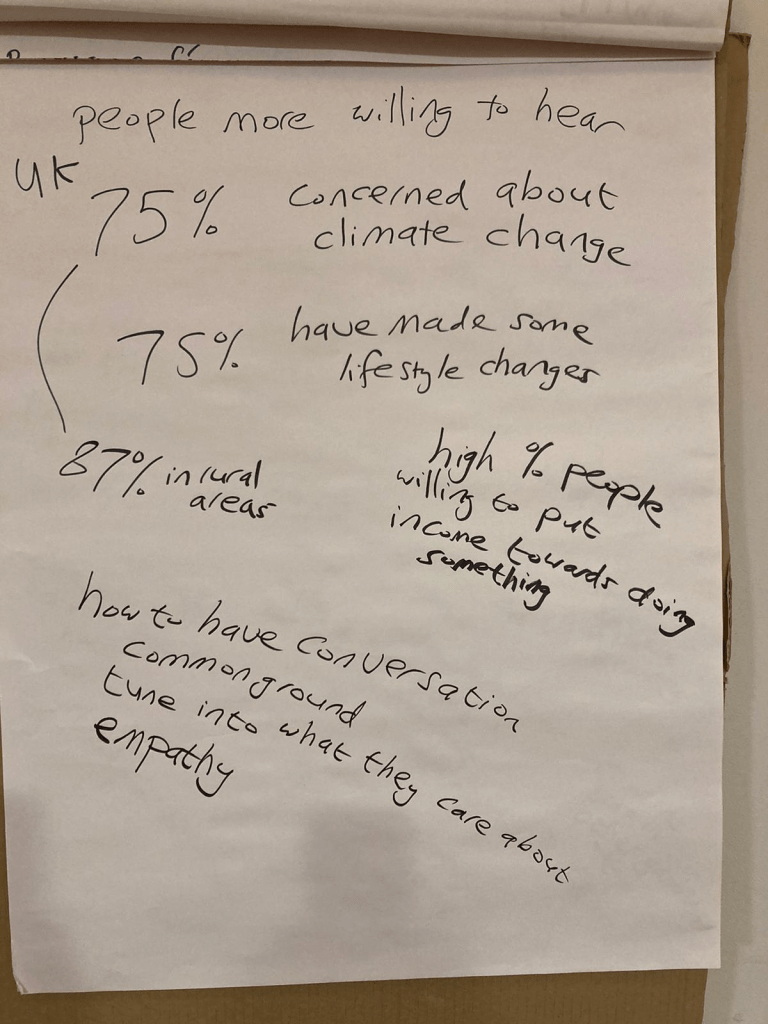
Display the statistics (75% etc – also only 16% of the population need to get behind something to lead to policy change)
On a separate board (Kate may be able to borrow from school) have little pieces of paper with things that people can do for the environment, and have people put coloured sticky dots beside the ones they already do and (a different colour) something they plan to or want to do. And have blank bits of paper for them to add their own actions. The idea being to show by a cloud of dots that lots of people are acting.
On a table or the grass, have a craft/activity for kids – we had a few ideas but Lucy is going to ask the Eco Club
Use all this to encourage people to stop and talk. Have a list of pointers to remind ourselves for these conversations
Also have a list/photos of species seen around Oakington (hopefully for the Pollination Festival the week before too)
Sign up sheet for people willing/interested in having Kate’s camera trap in their garden overnight
Maybe get a durable beach flag to identify SOW/signpost to events. Expensive – could we all chip in?
Continue to plan via WhatsApp
Encouraging people to consider the climate when voting – Laura told us about the Greenpeace Project Climate Vote.
Other Things
Laura is running a stall at Strawberry Fair this weekend (1st June) for Parents for Future – if you’re going to the Fair, stop by and say hello.
The Plant Swap went well, engaged a lot of people and also raised £150 for Cambridge4Ukraine. SOW and EAG are having a stall at the Pollination Festival, Garden Centre 22nd June, focussing on Nature Recovery. Cambridge Nature Festival is continuing.
The next SOW meeting is on Wed 26th June: a talk by Lou on “Composing for Sustainability and Wildlife” followedby a visit to her nearby garden. Don’t miss it!
The following SOW meeting is on 31st July. Thinking of doing something outside, maybe a nature walk through the village.
Notes from the SOW meeting on 24 April 2024. 15 people present including 3 children.
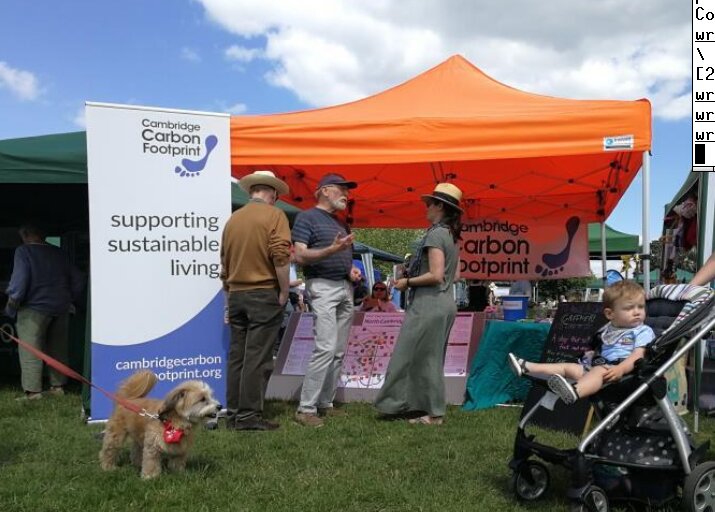
The speaker was Alana Sinclair of Cambridge Carbon Footprint, whose activities include Open Eco Homes, supporting Repair Cafes, and the Net Zero Now training course which inspired SOW.
She told us about some techniques to use when discussing Climate Change, following lots of research and her own experience. People often feel uncomfortable about the subject because they can feel judged.
Do people care?
She began by asking: In general how concerned about climate change do you think people in the UK are? And how about in Oakington and Westwick specifically?
The answers surprised some of us. 74% adults reported feeling (very or somewhat) worried about climate change. When asked about a range of issues, climate change was the second biggest concern facing adults in Great Britain (74%), with the rising cost of living being the main concern (79%). (ONS 2022).
Globally, 89% would like their governments to do more to tackle warming, and 69% say they would be willing to contribute 1% of their income to addressing climate change.
But, Alana explained, humans are “conditional co-operators” who are more likely to contribute to public good if they see that others are doing the same. So one important motivating message is to let people know that most of the population, like them, cares about climate change and wants something to be done to stop it.
Britain Talks Climate 2024 is research which reveals what people think about climate policy. It shows that only 15% want to see a slow down in Net Zero efforts. Most people think that reaching Net Zero will be good for the UK – even those in the lowest income groups. There is near universal support for protecting nature and wildlife, and reducing pollution and increasing renewables are next highest priorities.
In rural areas like ours, climate change is a concern to 87% of people – ie higher than the national average, and rural citizens are more engaged with environmental concerns in general than urban citizens (although the actions they take may be different.)
Nationally, 75% said they made a lot or some lifestyle changes to help tackle climate change. So a useful engagement strategy is to recognise the efforts people are already making.
How to be effective when speaking to others about Climate Change
Alana had lots of tips, including:
Know your audience (their values and attitudes) and connect with what matters to them. (Eg locally this might be reducing waste, community pulling together, a sense of stewardship and shared responsibility to protect the environment)
Help your audience realise what they can do, and what are the key, most important actions. People don’t always realise what are the next steps
Recognise the scale of the problems we face, but emphasise how to overcome them. A sense of desperation will be counter-productive. Need to bridge the gap between anxiety and action. Avoid fear, doom and gloom.
Use captivating visuals, stories, narrative, humour and other creative forms of engagement.
Avoid the information trap. Facts and figures won’t change people’s minds. And avoid preaching. Instead, ask people for their tips, quiz them on what they already know. A smattering of facts will make things tangible however.
Listen and show empathy. The more people feel understood and respected, the more open they are to changing their behaviour. Even if you don’t agree, find common ground. Learn from one another.
Speak personally. Use stories and case studies (and don’t gloss over difficult bits.)
You have to roll with resistance. Don’t argue/retaliate or oppose directly – you won’t get very far. Sometimes it’s best to just walk away; or it may be a signal to ask more questions, show more empathy.
Climate change can feel distant so use anything that connects it to everyday life – eg weather (have they noticed any changes), gardening, the future for our children/grandchildren
Don’t talk in terms of radical change, hardship and sacrifice, or use language which evokes political divide eg left/right
Ask people what they are already doing for nature.
Maybe talk in terms of “reducing carbon emissions” rather than “net zero” which can mean different things to different people?
Trust that others are already concerned and taking action. We’re not in a place where we have to get a mandate for climate change action. We just need to convince people that we have that mandate and give them the tools to crack on.
Encourage people to consider climate change when they vote.
Alana gave some specific examples of engagements:
Imaginarium – a lecture theatre that was gradually transformed into a rainforest over a day with all comers joining in writing/drawing/crafts. Including sound effects! CCF are producing (maybe in June.=) a toolkit to support people.
World War ration books – showing that the diet of the past is also a sustainable diet for the future. (Used in Cottenham Sustainable Food Festival.)
Cambridge Climate Map – a map of local shops/businesses/other resources that can help people reduce their footprint. CCF have done a stall in which people added their own suggestions to this.
What next?
We had a lively discussion, and the conclusion at the end was that we would postpone the planned May 29th meeting (“Composing for Sustainability and Wildlife” followed by a visit to Lou’s garden) until June (26th) and use the May meeting to discuss what we learned tonight and use those insights to prepare a stall for the Village Day (29th June) – in collaboration with the village Environment Action Group.
Email us if you’d like to ask to see the slides for the full presentation, which included a lot more than in these notes.
(Thank you to John whose notes these are based on.)
Notices
Don’t forget the Plant Swap on Sat 18 May 10-12 and Sun 19 May 2-4pm, in Coles Lane.
Cambridge Nature Festival runs 25th May – 30th June. Events and activities for all ages, abilities and interests – creative activities, nature walks, live music, bat punt safaris, BioBlitzes and much more. Visit www.cambridgenaturenetwork.org/cambridge-nature-festival for a full list.
SOW will be represented at the Pollination Festival at the Garden Centre on 22nd June and at Village Day 29th June – help on the stalls very welcome.
Eight people present; apologies from a large number of people! Jenny and Paul led a discussion on…
Making Change with Money
Spending – we’re used to thinking about making environmentally conscious choices when shopping
Saving – if we’re lucky enough to have money to spare, we also need to think about
Bank accounts (although everyone needs a current account)
Pensions & investments (such as ISAs)
Two Things to Think About…
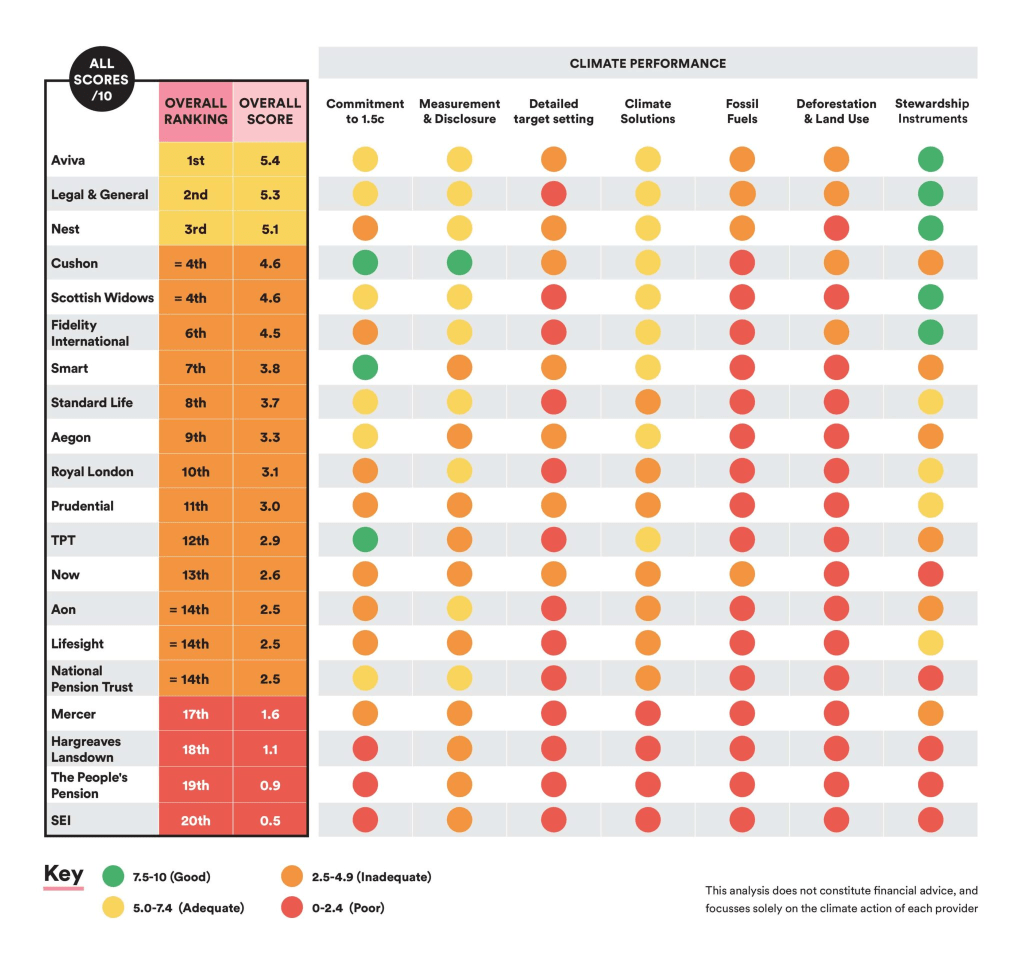
(1) Greening our pensions cuts our carbon footprint 21x more than going veggie, giving up flying and switching energy providers combined!
(Research by Make My Money Matter/WWF-UK/Aviva: “Moving the national average pension wealth to the sustainable fund used in the calculation is 21 times more effective (respectively) than the combined annual carbon savings of switching to a renewable electricity provider, substituting all air travel with rail travel and adopting a vegetarian diet.”)
(2) What’s best?
(Short of avoiding anything to do with the capitalist system – extremely difficult!)
Divesting from eg fossil fuels and investing in windfarms – eschewing the bad, supporting the good
Influencing companies through shareholders – by investing you get a say in what “bad” companies do
High Street banks have been around for hundreds of years, and have been able to get away with unethical practice. Until recently there were no new banks to challenge them – the film “Bank of Dave” describes someone who found a gap in the banking market to help his community! Since then there have been a few other newcomers.
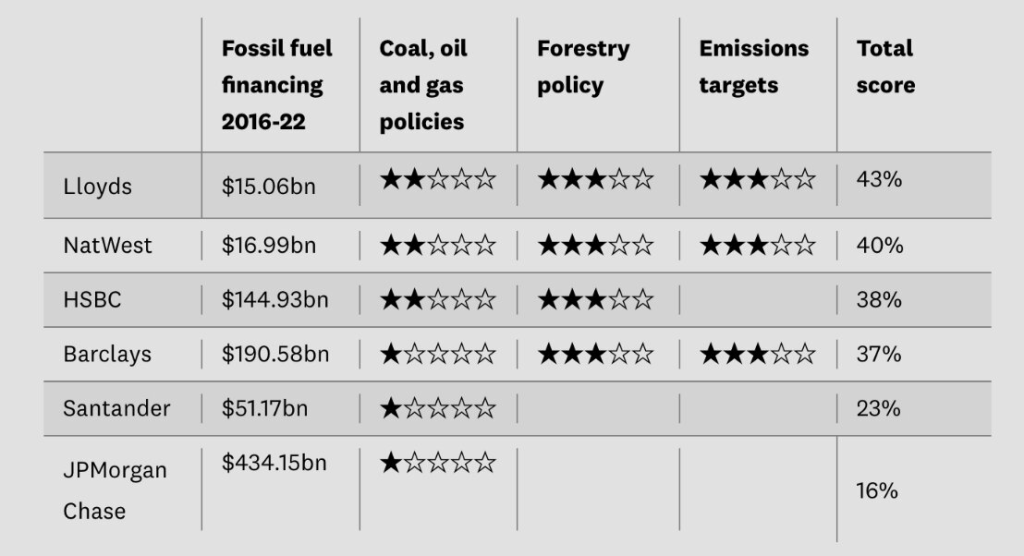
Which? Eco providers for current accounts:
Nationwide Building Society – only one to have a branch in/near Cambridge. A mutual, investing money in houses via mortgages
The Co-operative Bank – has long had ethical principles, eco considerations were then added
Triodos Bank – does not simply exclude eg fossil fuels but seeks out positive causes to lend to
Pensions & Investments
Unscreened investments will use your money to fund whatever makes the most profit. But there are funds which have a small or large degree of ethical screening. (A fund is a collection of investments in different companies which is managed by one fund manager, according to pre-defined criteria.)
“Ethical” considerations are wider than just environmental, eg. avoid alcohol, gambling, arms trade, animal testing. But ideally you’d want to be able to choose what matters to you, eg investing in village-scale artisan alcohol producers OK, investing in BP not OK
“ESG” = Environmental, Social & Governance. You’ll hear this phrase. Many providers now consider ESG risks/performance. (Examples of Environmental: Climate change policies, waste & pollution; of Social: Human rights, labour standards, data protection & privacy; of Governance: Board diversity, Anti-corruption policies, Corporate behaviour.) ESG is positive but does not go very far. Eg. can have tobacco, armaments, and fossil-fuel companies that manage their ESG – publishing annual reports about protecting biodiversity or providing apprenticeships, and some companies “greenwash” – talk about their ESG but don’t actually do much.
“Light green” or “dark green”. Dark green funds are very strongly ethical, avoiding the bad and seeking out positive companies to invest in. Light green funds still have an ethical focus but might not, for example, avoid an oil company altogether, if it was aiming to move over to greener energy. Types of company invested in by most ethical funds also include “neutral” or “helpful” areas of business like medical and food retail.
Source: Make My Money Matter. Note that these scores are averaged over all the pension company’s funds. Individual pension funds can be more ethical/sustainable, eg. Aviva will have a sustainable fund.
Performance?
Well-chosen eco funds can perform as well as unscreened. Investing against climate change makes long-term business sense!
Sustainable funds can fluctuate more over the short term. In tougher times the market favours old-school stocks like oil. In times of growth new technologies do better.
What to do?
May be possible to change funds within pension company. Don’t always have a choice about your workplace pension, but might be possible to change funds within it.
Or change pension company. This may well cost a fee.
Specialist IFAs (Independent Financial Advisers). A IFA who specialises in environmental/ethical investment can make sure the new provider both fits your ethics/eco goals and will make also a good return for you. Ethical Consumer has a list and SOW members have personal experience with one of these.
Find Out More
www.ethicalconsumer.org ‘All the information and inspiration you need to revolutionise the way you spend, save and live.’ A consumer organisation a bit like Which? With purchasing advice and a magazine subscription available.
www.makemymoneymatter.co.uk A movement calling for the trillions of pounds invested in UK pensions to build a better world.
www.which.co.uk/money The consumer organisation’s Money section, who have information on ethical banks and pension.
Deeper dive into financial skulduggery
As an example, Paul played part of Mark Thomas’s podcast which reveals that all of us until 2015 were effectively paying off the government compensation awarded to slave owners (you read that right, owners, not slaves!) in 1834 when slavery was banned in this country.
Bank of Dave (a film) Dave in Burnley wants to open a bank, but a new banking licence hasn’t been issued in over 100 years.
Tax Justice Network (website and podcast) www.taxjustice.net Taking on a system that fuels inequality, fosters corruption and undermines democracy.
They publish The Financial Secrecy Index and The Corporate Tax Haven Index every two years, which makes for interesting reading, and also produce a very informative podcast.
A blog and podcast with more information than you will ever likely need on money laundering, bribery, corruption, fraud and trafficking.
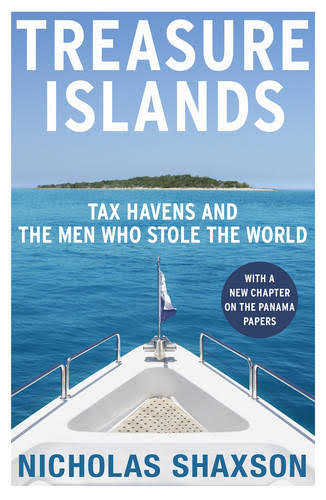
Treasure Islands (a book)
A book about, amongst other things, how billionaire Warren Buffet, currently the third wealthiest man in the world, paid the lowest rate of tax among his office staff, including his receptionist.
The Spider’s Web: Britain’s Second Empire (a film)
Britain’s transition from colonial power to global financial power
The Things About Us: Slavery (a podcast episode)
Listen to the full podcast, ‘Slavery’ through your podcast provider.
Dates & Notices
March meeting (27th March) – Leo will re-run the popular fruit tree grafting workshop
April meeting (24th April) – Alana from Cambridge Carbion Footprint is coming to give a talk about communicating climate change
May meeting (29th May) – maybe the garden wildlife session, or will people be away because it’s half term?










 Sustainable Oakington and Westwick