SOW meeting 24 April: Communicating about Climate Change
Do you sometimes feel despairing about climate change? Look around you and think that nobody’s doing anything to help? Come to the next SOW meeting and be inspired. Alana Sinclair from Cambridge Carbon Footprint is giving a talk on “Communicating about Climate Change” which is guaranteed to make you see things differently, and positively!
Cambridge Carbon Footprint is the organisation that connects all the local groups in the area, combining small efforts to create a larger impact. For instance, they support the Repair Cafe network, loan out thermal cameras, and run the Net Zero Now course which was the inspiration for SOW.
We’ve all had those frustrating conversations with people who resist doing anything about (even believing in) climate change. And the reality is that things can’t improve if only a passionate minority are taking action. But how do you engage and persuade people? The answers might surprise you!
Wednesday 24 April, 7:30 at the Church Hall.
Plant Swap Stall
Free Plant Swap / Stall
10–12 on Saturday 18 May 2–4pm on Sunday 19 May
Outside 36 Coles Lane
Bring some vegetable plants you’ve grown and take away something planted by someone else. Even if you don’t have anything to swap, take some plants anyway – leave a donation (collection for the Cambridge Ukraine Fund.)
Sow some extra seeds now so you can bring along spares to the stall. While the main focus is on veg plants and sustainable food, we won’t turn away flowers!
Eight people present; apologies from a large number of people! Jenny and Paul led a discussion on…
Making Change with Money
Spending – we’re used to thinking about making environmentally conscious choices when shopping
Saving – if we’re lucky enough to have money to spare, we also need to think about
Bank accounts (although everyone needs a current account)
Pensions & investments (such as ISAs)
Two Things to Think About…
(1) Greening our pensions cuts our carbon footprint 21x more than going veggie, giving up flying and switching energy providers combined!
(Research by Make My Money Matter/WWF-UK/Aviva: “Moving the national average pension wealth to the sustainable fund used in the calculation is 21 times more effective (respectively) than the combined annual carbon savings of switching to a renewable electricity provider, substituting all air travel with rail travel and adopting a vegetarian diet.”)
(2) What’s best?
(Short of avoiding anything to do with the capitalist system – extremely difficult!)
Divesting from eg fossil fuels and investing in windfarms – eschewing the bad, supporting the good
Influencing companies through shareholders – by investing you get a say in what “bad” companies do
High Street banks have been around for hundreds of years, and have been able to get away with unethical practice. Until recently there were no new banks to challenge them – the film “Bank of Dave” describes someone who found a gap in the banking market to help his community! Since then there have been a few other newcomers.
Which? Eco providers for current accounts:
Nationwide Building Society – only one to have a branch in/near Cambridge. A mutual, investing money in houses via mortgages
The Co-operative Bank – has long had ethical principles, eco considerations were then added
Triodos Bank – does not simply exclude eg fossil fuels but seeks out positive causes to lend to
Pensions & Investments
Unscreened investments will use your money to fund whatever makes the most profit. But there are funds which have a small or large degree of ethical screening. (A fund is a collection of investments in different companies which is managed by one fund manager, according to pre-defined criteria.)
“Ethical” considerations are wider than just environmental, eg. avoid alcohol, gambling, arms trade, animal testing. But ideally you’d want to be able to choose what matters to you, eg investing in village-scale artisan alcohol producers OK, investing in BP not OK
“ESG” = Environmental, Social & Governance. You’ll hear this phrase. Many providers now consider ESG risks/performance. (Examples of Environmental: Climate change policies, waste & pollution; of Social: Human rights, labour standards, data protection & privacy; of Governance: Board diversity, Anti-corruption policies, Corporate behaviour.) ESG is positive but does not go very far. Eg. can have tobacco, armaments, and fossil-fuel companies that manage their ESG – publishing annual reports about protecting biodiversity or providing apprenticeships, and some companies “greenwash” – talk about their ESG but don’t actually do much.
“Light green” or “dark green”. Dark green funds are very strongly ethical, avoiding the bad and seeking out positive companies to invest in. Light green funds still have an ethical focus but might not, for example, avoid an oil company altogether, if it was aiming to move over to greener energy. Types of company invested in by most ethical funds also include “neutral” or “helpful” areas of business like medical and food retail.
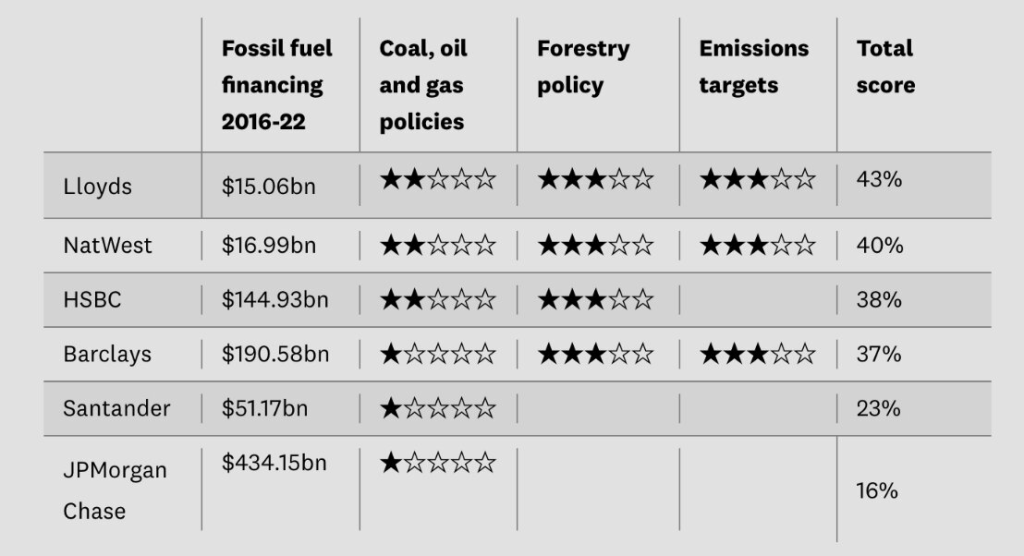
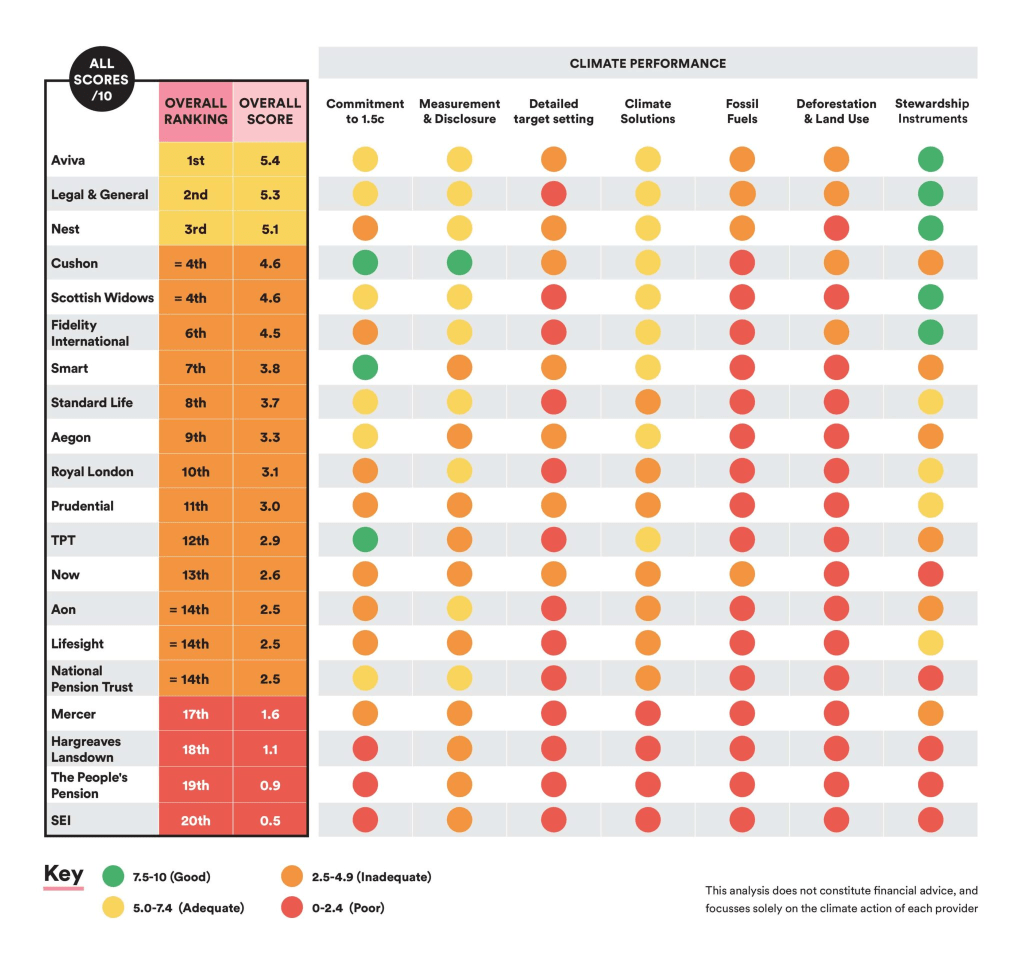
Source: Make My Money Matter. Note that these scores are averaged over all the pension company’s funds. Individual pension funds can be more ethical/sustainable, eg. Aviva will have a sustainable fund.
Performance?
Well-chosen eco funds can perform as well as unscreened. Investing against climate change makes long-term business sense!
Sustainable funds can fluctuate more over the short term. In tougher times the market favours old-school stocks like oil. In times of growth new technologies do better.
What to do?
May be possible to change funds within pension company. Don’t always have a choice about your workplace pension, but might be possible to change funds within it.
Or change pension company. This may well cost a fee.
Specialist IFAs (Independent Financial Advisers). A IFA who specialises in environmental/ethical investment can make sure the new provider both fits your ethics/eco goals and will make also a good return for you. Ethical Consumer has a list and SOW members have personal experience with one of these.
Find Out More
www.ethicalconsumer.org ‘All the information and inspiration you need to revolutionise the way you spend, save and live.’ A consumer organisation a bit like Which? With purchasing advice and a magazine subscription available.
www.makemymoneymatter.co.uk A movement calling for the trillions of pounds invested in UK pensions to build a better world.
www.which.co.uk/money The consumer organisation’s Money section, who have information on ethical banks and pension.
Deeper dive into financial skulduggery
As an example, Paul played part of Mark Thomas’s podcast which reveals that all of us until 2015 were effectively paying off the government compensation awarded to slave owners (you read that right, owners, not slaves!) in 1834 when slavery was banned in this country.
Bank of Dave (a film) Dave in Burnley wants to open a bank, but a new banking licence hasn’t been issued in over 100 years.
Tax Justice Network (website and podcast) www.taxjustice.net Taking on a system that fuels inequality, fosters corruption and undermines democracy.
They publish The Financial Secrecy Index and The Corporate Tax Haven Index every two years, which makes for interesting reading, and also produce a very informative podcast.
A blog and podcast with more information than you will ever likely need on money laundering, bribery, corruption, fraud and trafficking.
Treasure Islands (a book)
A book about, amongst other things, how billionaire Warren Buffet, currently the third wealthiest man in the world, paid the lowest rate of tax among his office staff, including his receptionist.
The Spider’s Web: Britain’s Second Empire (a film)
Britain’s transition from colonial power to global financial power
The Things About Us: Slavery (a podcast episode)
Listen to the full podcast, ‘Slavery’ through your podcast provider.
Dates & Notices
March meeting (27th March) – Leo will re-run the popular fruit tree grafting workshop
April meeting (24th April) – Alana from Cambridge Carbion Footprint is coming to give a talk about communicating climate change
May meeting (29th May) – maybe the garden wildlife session, or will people be away because it’s half term?
Many of us try very hard in our everyday lives to make sustainable choices – recycling, saving energy, gardening for wildlife, etc – but if we’ve got money in a bank or invested in a pension that’s being used to fund e.g. the oil industry, that’s having a bigger negative impact. In this session we’ll pool and share our knowledge about ethical and environmental choices in finance. If you’ve got some experience or knowledge of this area please do come along. If you haven’t, come along as well and find out more!
Plus discussion of any other environmental issues, action planning and tea, biscuits and chat! And the Green Library will likely be open for lending.
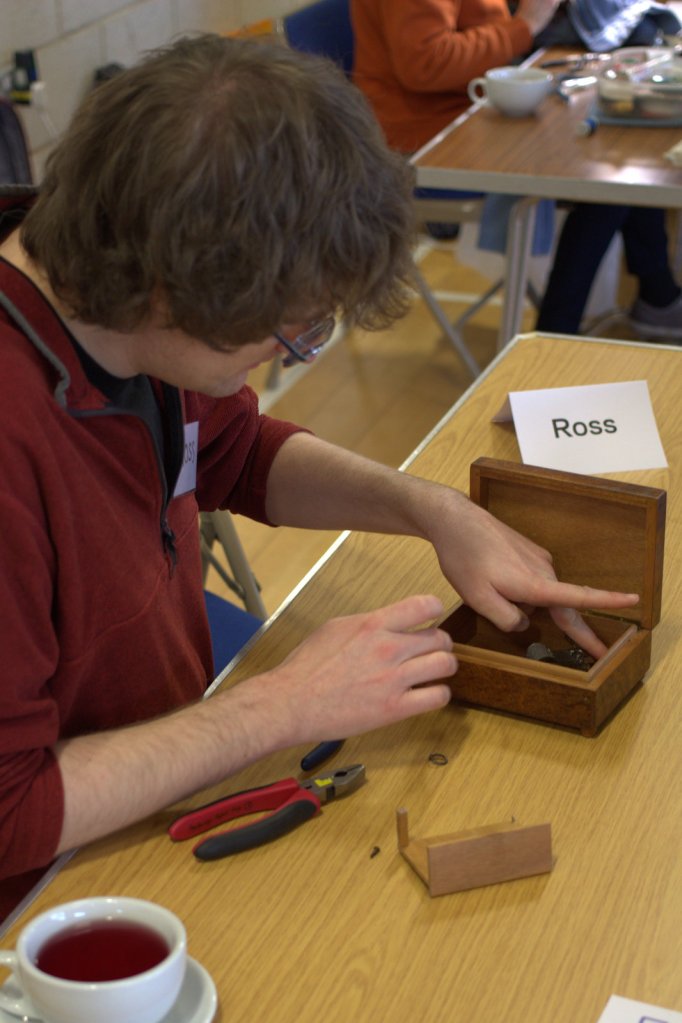
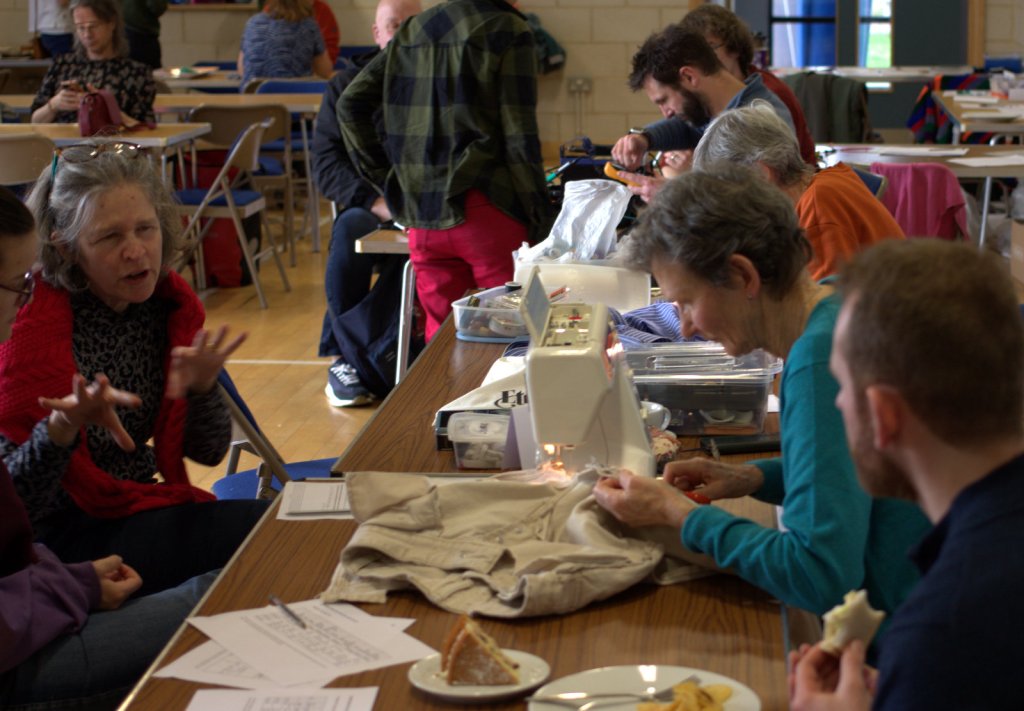
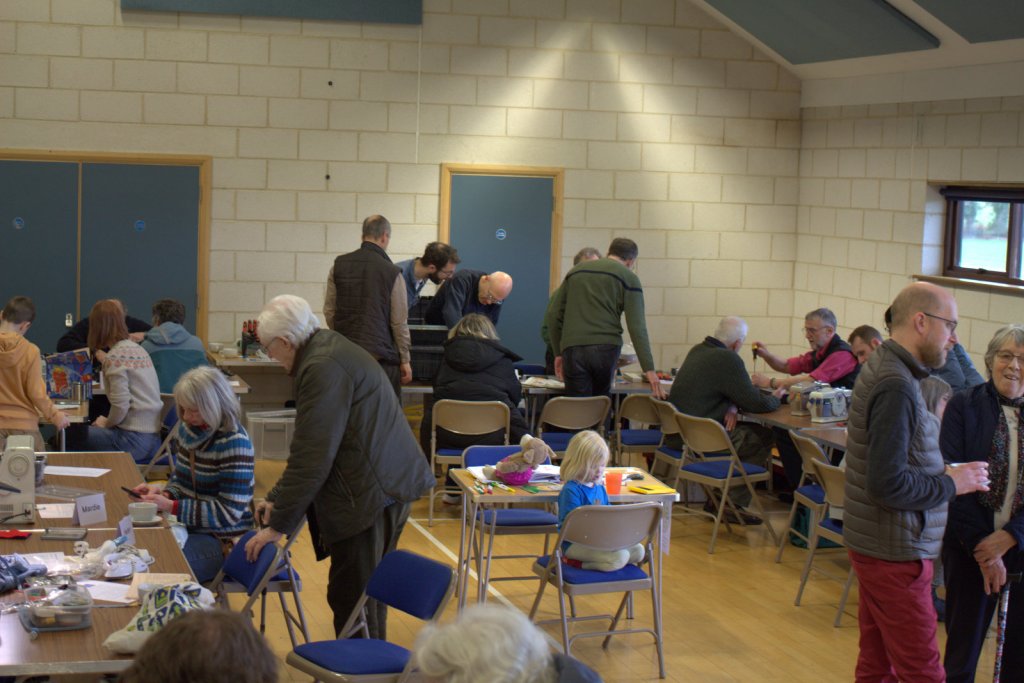
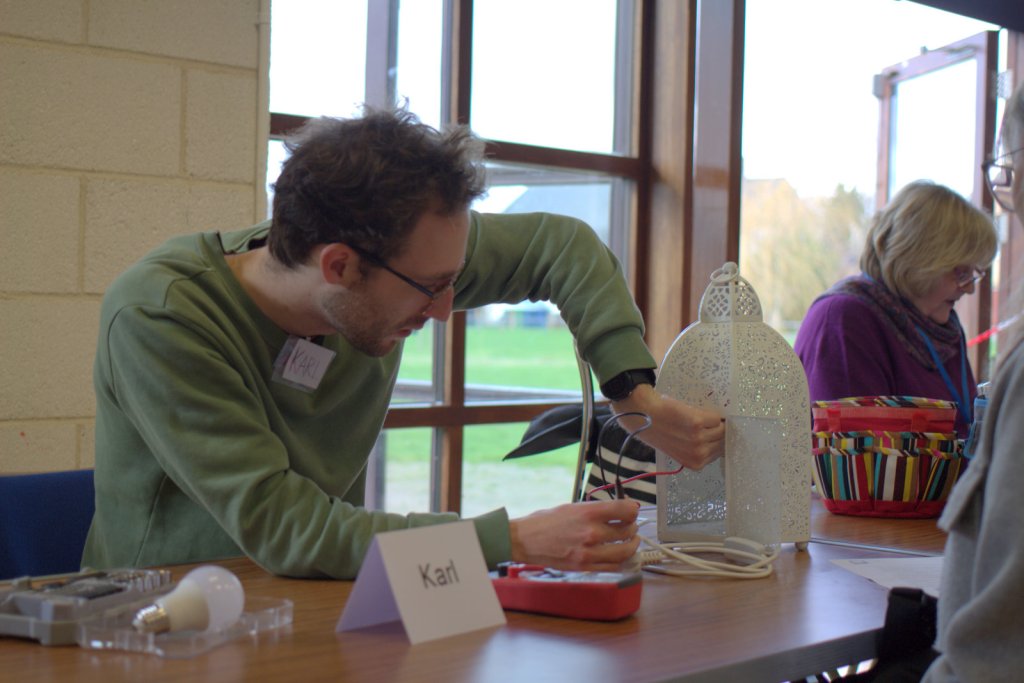
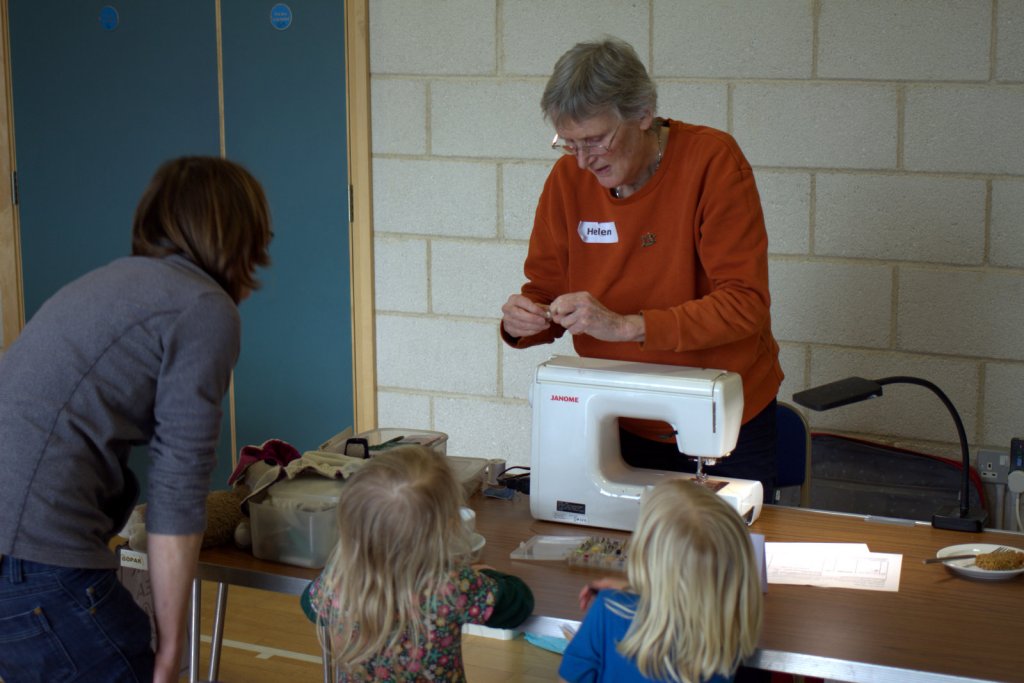
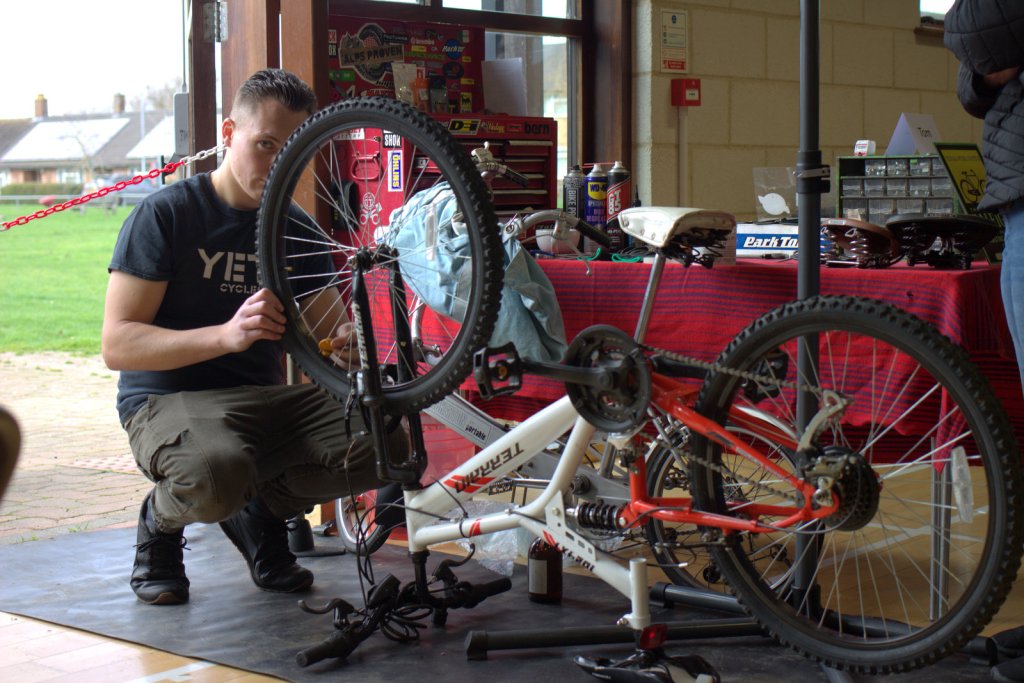
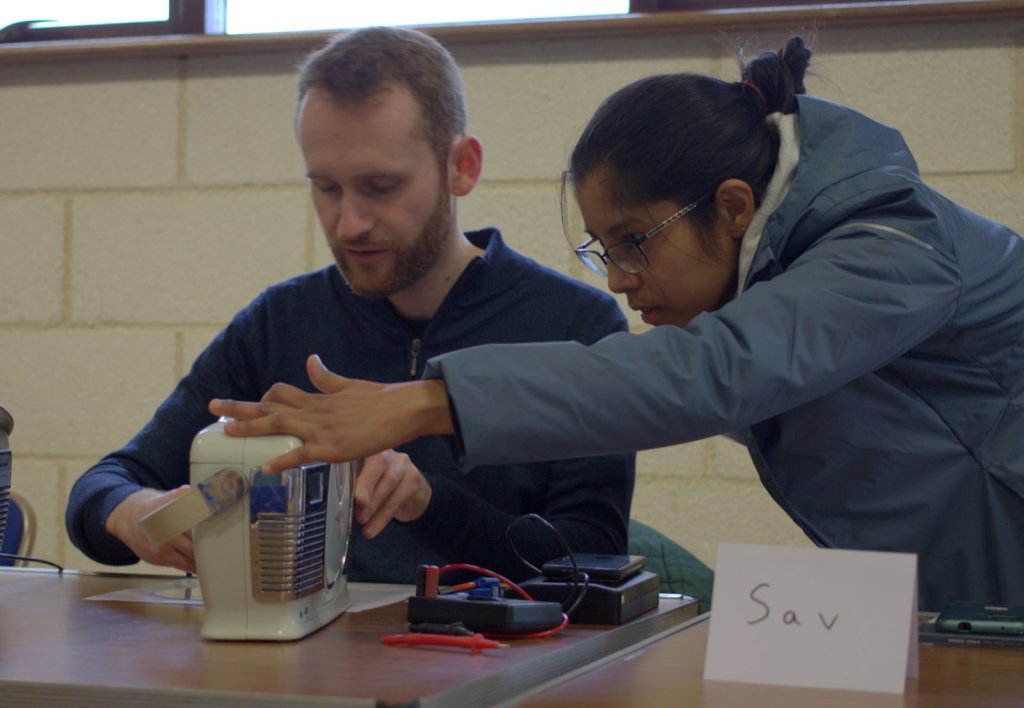
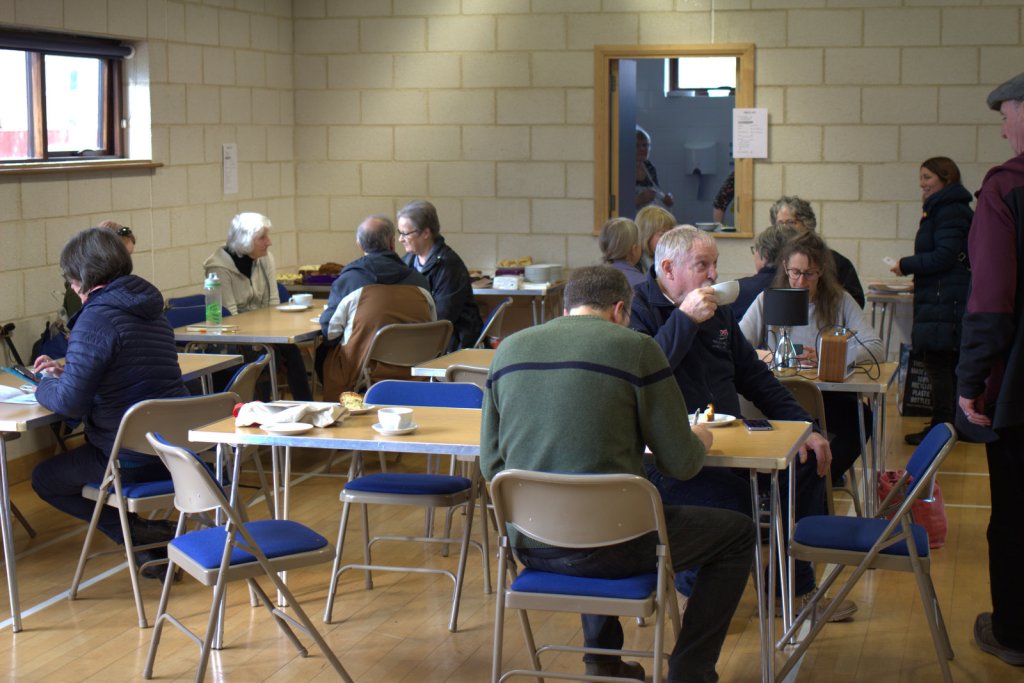
Oakington’s first Repair Cafe was held on Saturday 10 February. The grand total was 70 repairs, of which 41 were successfully repaired, 19 were found to be repairable and 10 deemed end of life. But not only did we prevent unnecessary waste and landfill: people were inspired by and learned from the 14 amazing volunteer repairers, enjoyed the cafe and the friendly community atmosphere.
Thank you to the repairers, everyone who helped and to all who supported it – the very generous donations and cafe takings covered costs and will help with the next Oakington Repair Cafe.
Here’s just some of the feedback received after the event:
“Excellent. SO pleased to have it fixed. Very grateful”
“Amazingly helpful, very pleasant volunteers. Please do it again soon!”
“Excellent experience… Very helpful, enthusiastic and informative. Thank you.”
“Very friendly and informative.”
“Great to see it so busy + very pleased with the help.”
“Really lovely friendly welcoming atmosphere.”
“Very friendly & efficient. Good job.”
“So pleased with the repair. Very patient lady and enjoyed the chat.”
“Very friendly excellent service with a smile + time to chat + have refreshments with friends + new people.”
“Wonderful assistance and advice given … Thank you so much all of you.”
Sustainable Cottenham have asked us to let people know about their event in March:
Cottenham Swish: swap your way to a new wardrobe
SWISH at Cottenham Village Hall on Saturday 16 March from 2.15-3.45
Swishes, or clothes swap parties are a fun, free way to refresh your wardrobe without buying new clothes. The fashion industry has a huge environmental footprint accounting for more carbon emissions than aviation and shipping combined, and is often exploitative of workers too. Meanwhile, an average Briton’s wardrobe contains a whopping 57 unworn items!*
It’s those under-worn clothes you’ve fallen out of love with that we want you to dig out from your wardrobe and swap with others. Bring women’s, men’s and children’s clothes, shoes and accessories in good, clean condition. You can bring and take as much as you like*.
Drop your items off at 1:45 and whilst we sort your clothes there will be refreshments and stalls from local groups. Swishing will start at 2:15pm and end at 3:45pm.
All leftover clothes will be donated to charity.
This is a free event organised by Sustainable Cottenham. Donations gratefully received towards our costs (please bring some cash!), all welcome.
*Figures from this BBC article on Fast Fashion **No underwear, please. ***Please only take what you/your family will personally use – not to sell on. We reserve the right to challenge anyone not acting in the spirit of the event.
Come along to the meeting on Wednesday 31 January, 7:30pm at the Church Hall.
Led by John, we will be discussing the Nature Recovery Project in Oakington & Westwick – we got this started last year with lots of ideas and enthusiasm, but now is the time to plan actions for this year onwards.
We’ll also be planning other SOW activities in 2024/hearing updates on plans; and gathering ideas for future evening sessions.
And as usual a chance to exchange ideas, get tips and even just offload about environmental issues that are on your mind!
Dates for your diary:
Saturday 10 February – Repair Cafe at the pavilion, 11am-2pm
Wednesday 27 March – a repeat of last year’s popular fruit grafting workshop, 7:30pm at the Church Hall
A reminder of the projects/actions we’ve been planning:
Community Meal – proposed we have this at one of the SOW Wednesday evening meetings
Plant native hedging, or fruit trees, or hazel/willow coppice, along busway
Build and put up bee hotels (birdboxes, etc) in public spaces.
Research which areas of the village are owned by whom, plus paths/ rights of ways / land use.
Terracycle recycling
Wildlife capture-cam
Nature Recovery Project, Repair Cafe – see above
Other ideas: Talk on Energy efficiency and coming off gas; Local resilience plan – what can village do to prepare specifically for heatwaves, droughts, flooding etc.; More wildlife walks. Eg trees, birdsong, moths, etc.
The Green Library will be open for borrowing! And of course there will be tea, biscuits and a chance to chat.
7:30pm at the Church Hall, Oakington. As well as updates on our current activities, we’ll have…
Birdbox and bug hotel building workshop
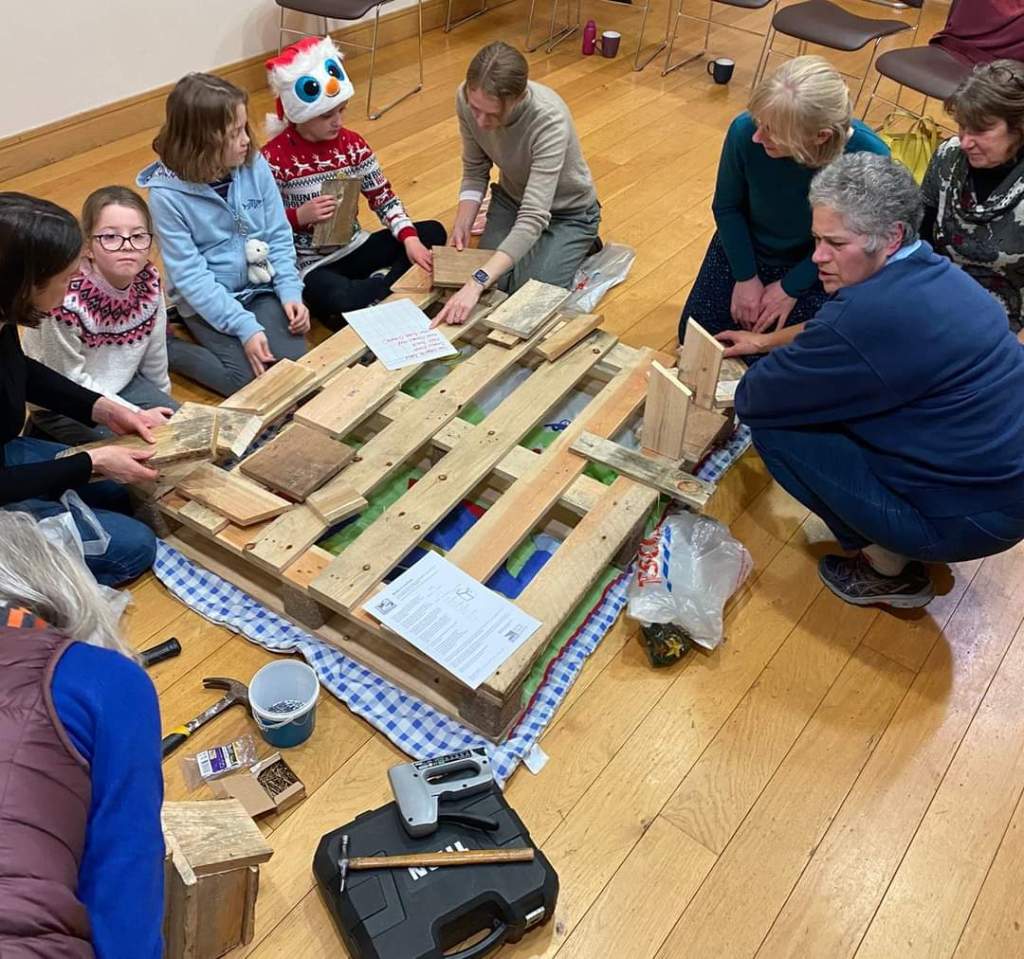
Come along for a fun and practical session, building bird boxes out of scrap wood. Bring the kids! You can take the finished birdbox home to encourage wildlife into your garden, or even give it as a Christmas present. We’ll also be making a bee hotel to put in the village orchard.
If you have them, bring some secateurs, and a drill with a selection of drill bits 2-10mm and a pz1 screw bit.
Talk on litter picking
We’ll also be hearing a presentation by members of the village Eco Club, who are at Oakington Primary School. Please come along and support these brilliant young people!
Repair Cafe
Oakington’s first Repair Cafe will be held on 10 February, 11am – 2pm in the Pavilion. Slots will be available to book in due course but if you want to make sure you hear as soon as bookings are open, email oakingtonrepaircafe@gmail.com.
f you are good at repairing things (clothes, electricals, bikes, toys, …) and could be a volunteer repairer, or if you’d like to help on the day in another way, please contact oakingtonrepaircafe@gmail.com.
Help get solar panels onto the Pavilion Roof!
The village has a chance of getting funding for solar panels on the Pavilion roof, which will make the Pavilion more environmentally sustainable, and more financially sustainable too. But it needs your help. If you have used the Pavilion for any reason: private celebrations, as a member of a club or group or society, for example, please write to Laura Lawrence, the clerk, clerk@oakingtonandwestwick-pc.gov.uk, to say how you’ve been involved, and useful the Pavilion is (and how good solar panels would be, perhaps.) This is because it’s a competitive bidding process – whoever has the best reason for improvements will get a grant. Only one in four applicants will be successful. The deadline is 5 December so write now!
(Notes from a talk given at SOW meeting in October 23)
Journeys by public transport usually take longer than driving – but you can do something on the journey so needn’t waste the time. Not always 100% smooth but often are, and much less hassle to plan now we have mobile phone apps and websites. Definitely reduce our carbon footprint – 25% of a typical personal footprint is transport and 75% of that is personal car use – it’s a relatively easy part of our footprint to tackle.
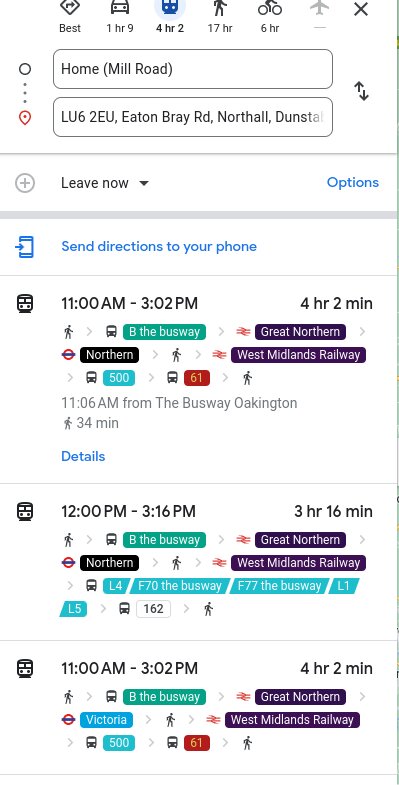
Top tip: use google maps
Website or app (great if you are on the go – can start the journey and it will tell you when to change buses etc)
Great for overview – different options – eg if you’ve no idea how to get to somewhere by public transport
Doesn’t know about prices – may give expensive options
95% reliable. Worth double checking. Eg. use the website traveline.info
Bus tickets & times
For the last few months, all singles have been £2 (→ £2.50 from 1 Nov I think). Has been great – easy to travel round the country regardless of bus company
Most local buses are Stagecoach. A Day rider costs £5, but better is a Flexi 10 (bought on their app) working out at £3.50 each (and unlike normal Day Riders, includes St Ives via the busway)
Megariders for regular frequent travel
30% off for youth; small group (up to 3 people, £8 for a day rider) and large group (up to 5 people, £11 for the day)
All of these come in three flavours: “Town” (includes Oakington) “Plus” (county) and “East” zones
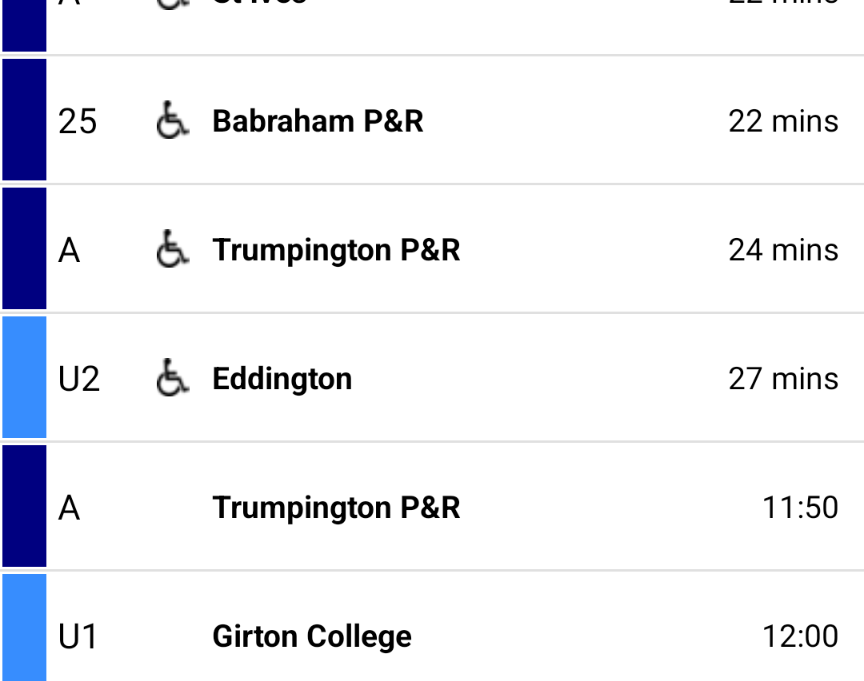
For local travel, use the MyBusTrip app. (Stagecoach also has an app & need for flexirider, but this one is better. Use this once you know which stop you need)
Lists buses due at a particular stop
Can see them moving on map– so you can see where your bus has got to
Save your favourite stops
Shows real or timetabled time (if the bus has not begun yet OR is not sending its signal) – like the realtime information at bus stops.
Don’t give up. If a timetabled-time one is due then disappears, doesn’t mean it doesn’t exist, more likely it’s late!
Top tips for trains
Lots of websites available to give info and sell tickets, eg trainline, national rail enquiries, different operators. But these are our top picks:
Google maps for times – if you just want to see how to make a journey
Trainsplit for tickets (app/website). Splitting exploits loopholes in the ticketing system (eg Cambridge to Peterborough and Peterborough to Edinburgh tickets can add up to less than the cost of a Cambridge to Edinburgh ticket.) Trainsplit was the original website and is a good one. Splitting limits you even if you don’t have advance tickets, eg you have to stop at the split (Peterborough in the example). But normally you simply follow the schedule it gives you. Don’t worry about delayed trains – you are still allowed to travel.
Can choose fastest/cheapest/flexible
Sacrifice flexibility to save money
Realtime trains (website) when you’re at the station. Simple website which lists the departures and arrivals at a station. (Including any delays, and which platform – often before the platform number is advertised on the station info boards.) It’s probably what the staff use!
More about train tickets…
Basically the system is: Anytime/off-peak/super off-peak and Advance (cheaper, sometimes amazingly so, but fixed to a particular train) – but there are anomalies, rover tickets etc, and off-peak times unhelpfully vary between routes and operators
Advance tickets sell out and you are tied to that train. Recommend getting a bus in hand if catching a train you have an advance ticket for!
Railcards. Are you single, childless, able-bodied, aged 30-60, and not just travelling in the south-east? If so bad luck. Otherwise there is a 30% off railcard for you!
Delay repay. From 15 minutes late. Disastrous journeys pay for themselves! Depends on train company
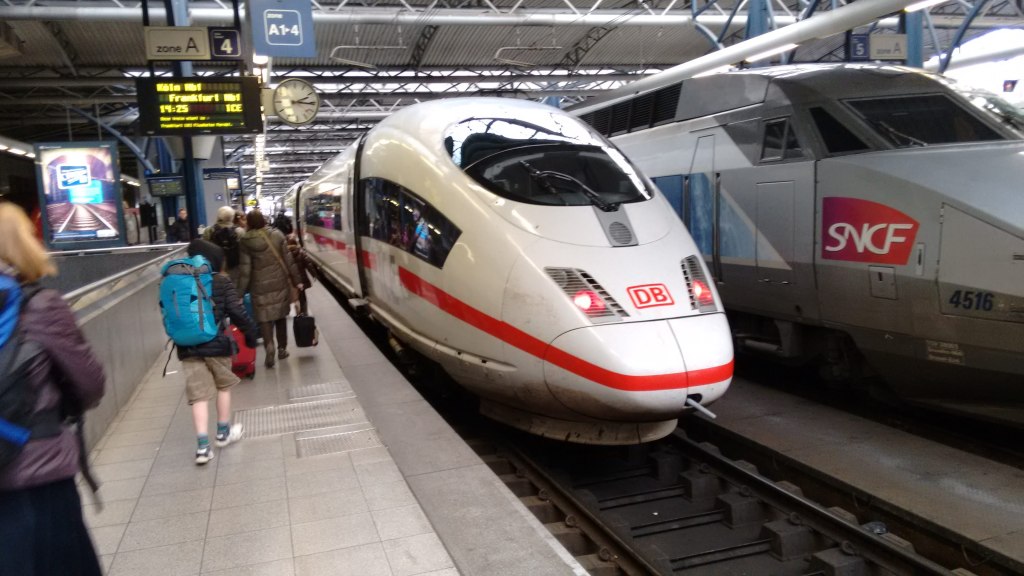
Europe by Train
Definitely consider. Very comfortable and can be as quick or nearly as quick as flying. Probably not cheaper but the carbon cost of flying is much greater. And if you book in advance and are able to avoid busy times, not as expensive.
Man in Seat 61 website. Brilliant website which will tell you everything you need to know about planning and booking your journey.
Raileurope website to buy through tickets. Can be cheaper to buy different parts of your journey from different places, (eg buy a Germany to Czech Republic ticket from Czech railways, not German – man in seat 61 wil tell you) but RailEurope is simple.
Deutsche Bahn website bahn.de is very good for train times throughout Europe. (Has an English version.)
Interrail. Not just for young people! The cheapest 4-travel-days-in-a-month ticket can be cheaper than last minute booking normal tickets. You have to pay extra for fast trains including Eurostar and TGV, but not German fast trains.
Cycling websites
Cyclestreets.net (website or app). Better than google maps for finding an urban cycle route. Turn by turn so either you need a good memory or to keep looking at your phone
Cycle.travel website (probably one of several possibilities) for longer journeys – cyclestreets can send you along muddy footpaths I’ve found!
Concluding remarks!
In an ideal world there would be lots of public transport, cheap and easy to use. Like London! But won’t get to that ideal world if nobody uses public transport – use it or lose it. It does help to plan ahead. I find this hard but it is satisfying to nab a bargain! Enjoy the journey! Relax, watch the scenery, read a book, enjoy the bustle of our big stations, chat to someone at a bus stop, make the journey part of the destination!
All are welcome to the October SOW meeting, on Wednesday 25th, 7:30pm at the church hall.
There’ll be a short talk on “Transport Tips and Apps.” Making more use of trains and buses is a great way to reduce your carbon footprint – come and find out about some ways to travel more easily and cheaply too.
We’ll be catching up on progress of some of the actions planned last time, and on the Nature Recovery Project.
Plus tea and biscuits and a chance to chat, as always!























 Sustainable Oakington and Westwick