
Looking after hedgehogs
On 30th July 2025 we welcomed Judith Large who volunteers at Shepreth Hedgehog Hospital. 25 people came! Thank you for your generous donations, totalling £120 – enough to pay for three hedgehogs to have ringworm treatment.
Shepreth Hedgehog Hospital was started in 2012, and is run by the Shepreth Wildlife Conservation Society at a cost of £65,000 pa. Hedgehogs need specialist treatment. Successful release is very good at around 60% (compared to the usual ~30% of most rescues!). Rising costs mean there are fewer rescue centres and hedgehogs are brought into Shepreth from Bury St Edmunds to Milton Keynes.
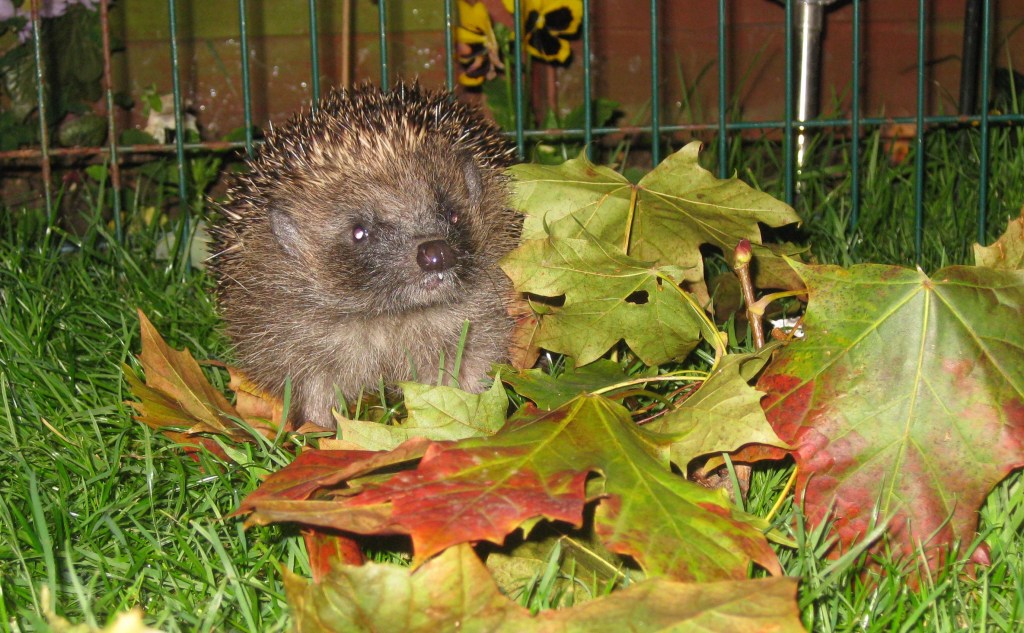
Hedgehogs are classified as “Near Threatened” – numbers have fallen off a cliff in the last 60 years because of habitat destruction and climate change. Drought means they cannot dig out earthworms, their main food source, and have to resort to their least favourite food, slugs and snails. These carry lungworm which can kill hedgehogs. High temperatures also disrupt hibernation (should be Nov-Feb.) Climate change also means mothers leave their young too early.
“Out in the day is not OK”
Hedgehogs are nocturnal and a hedgehog out in the day is always in trouble. The only exception is if you see an adult purposefully foraging through the undergrowth in the breeding season (spring to late autumn) – this will be a lactating female. Otherwise, take the hedgehog to a hedgehog hospital. (Pick up with gloves or a cloth and put in a cardboard box with water, some cat food, and a hot water bottle wrapped in a towel (so long as there’s space for the hedgehog to move away from the heat).)
60% of hedgehogs brought into Shepreth are ones found out in the day. (Another 18% are orphans.)
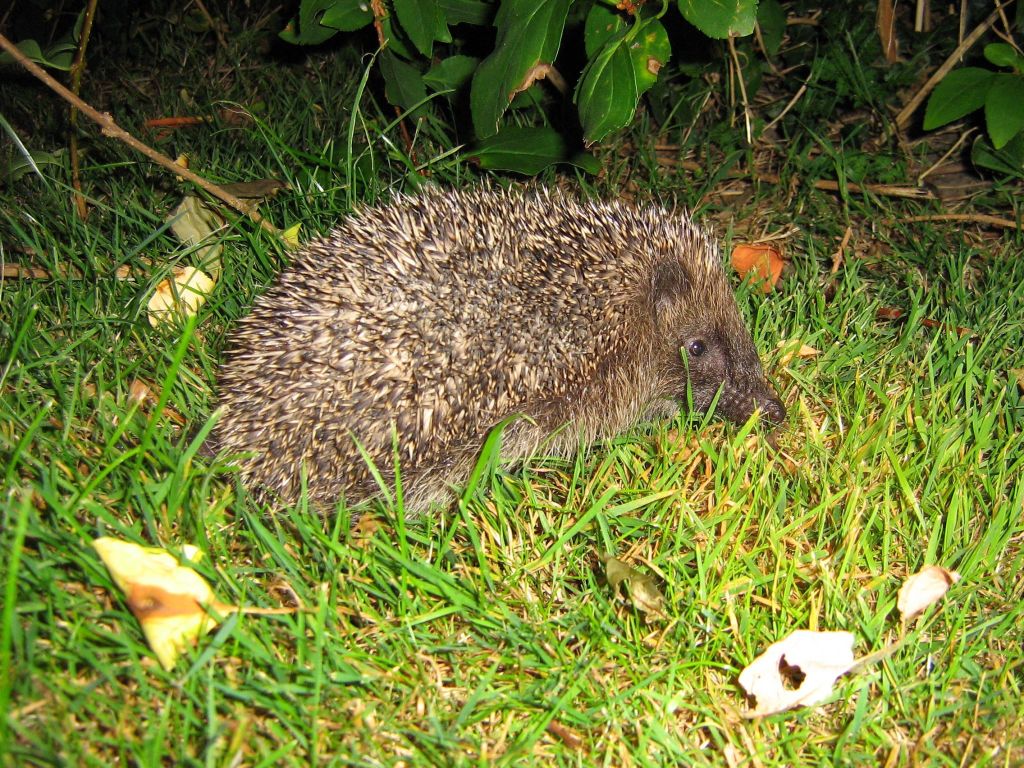
Reasons a hedgehog might be in trouble include parasites such as ringworm, lungworm, mites, ticks and fleas. Never remove a tick from a hedgehog yourself, or use cat/dog flea treatment – these are toxic to hedgehogs. Hedgehogs also become entangled in mesh or netting, or suffer terrible injuries from strimmers. Other injuries are caused when hedgehogs are burned by chemicals such as bleach, weedkiller, patio cleaner and diesel.
Don’t disturb hedgehog nests
Making nests is an important part of hedgehogs’ activity, and there are three types: daytime (to sleep in), breeding, and hibernation. It’s not too serious if you disturb a hibernating hedgehog if you put it all back straight away and leave it – hedgehogs take 3-4 days to come out of hibernation. But disturbing a breeding nest is more critical – the mother may run off or even destroy the babies.
Daytime nests are flimsy, often in grass, and very vulnerable to strimmers. Before strimming, make yourself really obvious – noisy, “John Cleese silly walks” so wildlife will get away before strimming.
Dogs sometimes dig out hedgehog nests.
Hedgehog poo
If you don’t see a hedgehog at night you might spot hedgehog droppings – long, black and shiny with a tapered end, the length of a little finger.
At the Hospital
Caring for babies

Hedgehogs frequently give birth in the hospital. Volunteers foster the young families in rabbit hutches. But many babies are brought in as orphans; they need almost 24-hour care and are very tricky to rear.
Food
Hedgehogs at the hospital are fed jelly-based cat or dog’s food, and kitten biscuits to keep teeth healthy. They don’t buy specialist hedgehog food. Mealworms are not recommended as they can lead to bone softening.
Release back into the wild
A good release environment is one which already has a good hedgehog population, linked gardens, water, shelter and food. Adults are released in the same area they were found if possible. The aim is to conserve local populations, not to reintroduce hedgehogs where there are none, but young hedgehogs are released where they can support “island” populations by increasing genetic diversity. Oakington is one such “island” and there is a release site in Saxon Close.
Hedgehogs in our villages
Hedgehogs are now rare and declining in open countryside, where there is less cover, fields are vaster, and there are badger territories. (However badgers are not responsible for many hedgehog deaths – 1.5% compared to 10% on roads – except in times of food scarcity.) So they become islanded in more built-up areas, such as villages/gardens, where their population has stabilised and may be recovering.
The best places for hedgehogs are where the community works together . It would be great if we could make Oakington & Westwick a safe haven each night for hedgehogs.
Easy ways to help hedgehogs in your garden
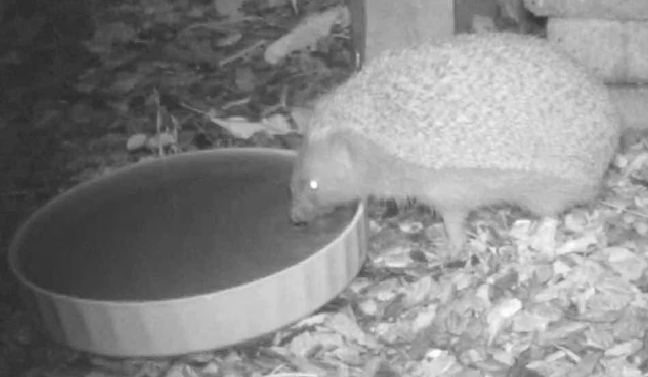
- Top task: Put out water. A steep-sided pie dish is ideal. Use tap water, and clean and refresh daily.
- Create a wild, undisturbed corner, all the better if there are wild flowers too.
- Make your pond safe. Either build a beach into the water, or put a plank ramp in parallel to and against the side (not into the middle because hedgehogs swim round the sides and won’t find it).
- Link your garden to others with a porous boundary (hedgehog highways). Hedgehogs need about 15 gardens to roam through.
- Deal with netting and litter. In allotments pin netting down really tightly. Put football or tennis nets up at night.
- Build a hedgehog house – better than a bought one. You can make one with 20 bricks and a slab, or if more room, from pallets and logs. Put in a quiet sheltered spot, filled with hay (better than straw.)
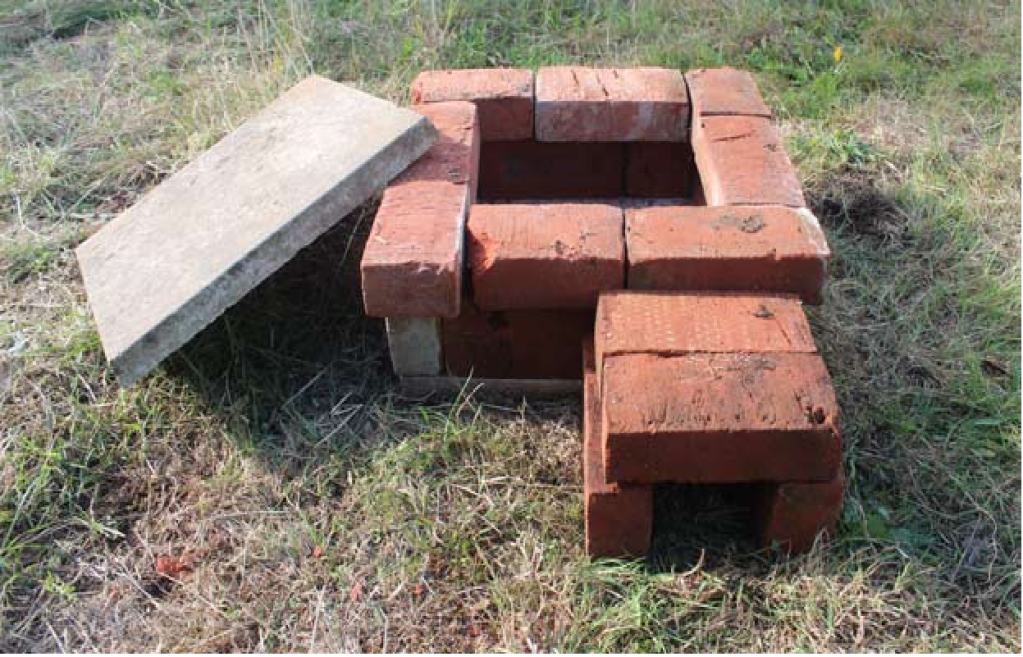
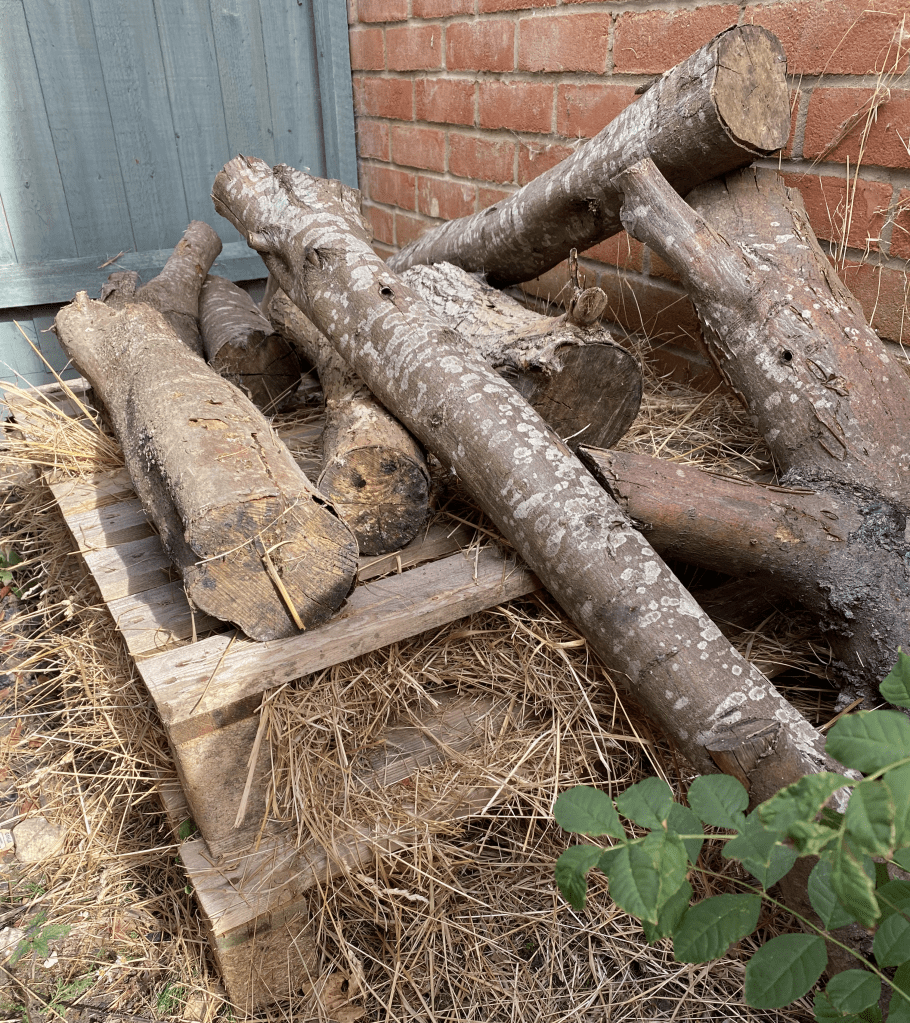
- Make a cat- (and corvid-) proof feeding station in a similar way from slabs and bricks, with a hole the size of a CD case. Include a baffle, and feed kitten biscuits not wet food.
- If you see a hedgehog, log it on the big hedgehog map: https://bighedgehogmap.org/ (organised by Hedgehog Streets: https://www.hedgehogstreet.org/)
Judith is keen to spread the word so if you know a group who would like to hear her talk, please email SOW to be put in touch with her.
Photos by Judith or from https://swccharity.org/about-the-hospital
 Sustainable Oakington and Westwick