
Plastics – and Our Future!
(Notes from the SOW meeting on 25th March)
Updates
- Recycling: the list of where to recycle various things is in the April/May O&W Journal. We are still trying to find a location for boxes to collect certain items which can’t be recycled in the blue bin, as described at the January meeting. Several useful Terracycle schemes have just ended so at the moment the thought is to trial Marigold gloves and beauty product packaging.
- Tool Share: this could be a great village resource-saving scheme but needs a bit of TLC. Looking for SOW volunteers to help Jess at Crossways who administers it.
- ApollOW: New pollinator count scheme designed by James H, part of the Nature Recovery Project. April’s SOW meeting will be a training session – we will hear from Leo about bees in September.
Plastic discussion
Several of us had counted plastic packaging this week, and had brought it to the meeting. The vast majority of the packaging was from food, especially snacks and bread.
We weren’t very clear on exactly what the blue bin takes – everyone had a different idea! (See this webpage– in fact the blue bins take all soft (including scrunchable, crinkly) plastic bags/film/wrappers except:
- plastic/foil pouches or wrappers (eg pet food pouches or baby food pouches and tea bag or chocolate wrappers
- and crisp packets (with metallic inside)
Why isn’t plastic packaging OK even when you can recycle it? Recycling is an energy intensive process. It’s sometimes incinerated instead. Soon our recycling will be transported to Northern Ireland instead of Waterbeach for processing (adding to transport emissions) (although a UK facility is promised soon.) And making packaging uses energy, even for eg. cardboard packaging.
Often the most over-packaged food is also the most ultra-processed, so less good for us anyway.
How to avoid packaging? Dry cat food instead of pet food pouches. Shampoo etc refills at the Lush shop or with Green Blue You, or soap bars. Buy less stuff (eat less food!?)/re-use. Being selective about what you buy – but it’s difficult when you’re busy and short of time!
We talked about biodegradable plastic – you can’t put it in the green bin (takes too long to break down for the fast composting process used for our green bins) and it contaminates the recyclable plastic if put in the blue bin. Takes ages to home-compost (but cutting it up helps.)
Leo explained his dilemma in packaging their cider: glass is actually worse than plastic in terms of overall energy used. Metal cans would be best of all but the equipment for canning is not accessible for a small cidery.
Vicky explained how recent legislation for simplifying recycling requires her small business to dispose (recycle) food waste separately – it means they all have to take their apple cores and tea-bags home because it’s too expensive to have commercial green bin recycling.
We heard about a recent investigation tracking supermarket soft plastic waste. Some went to Poland where it was turned into black bin bags. But some went to Turkey, notorious for dumping rather than recycling foreign waste.
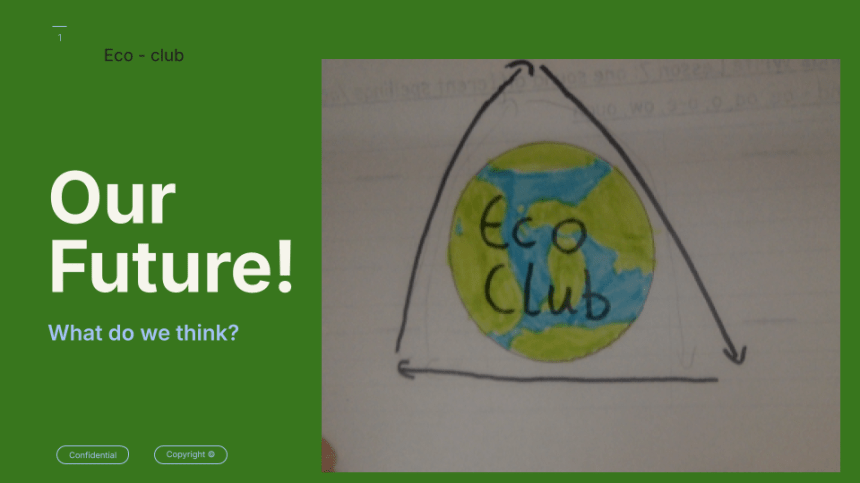
Eco-Club presentation: Our Future!
Five members of the kids’ Eco Club gave everyone a presentation – see below – which they had prepared about the environmental issues they are really concerned about. It was really good and a lot of work had gone into it, and it very much brought home how much the environmental crisis impacts young people now as well as in the future.
Ideas for action which came out of the discussion included an Oakington event to celebrate our planet – perhaps fundraising for spring bulbs to help pollinators – and writing to our MP.
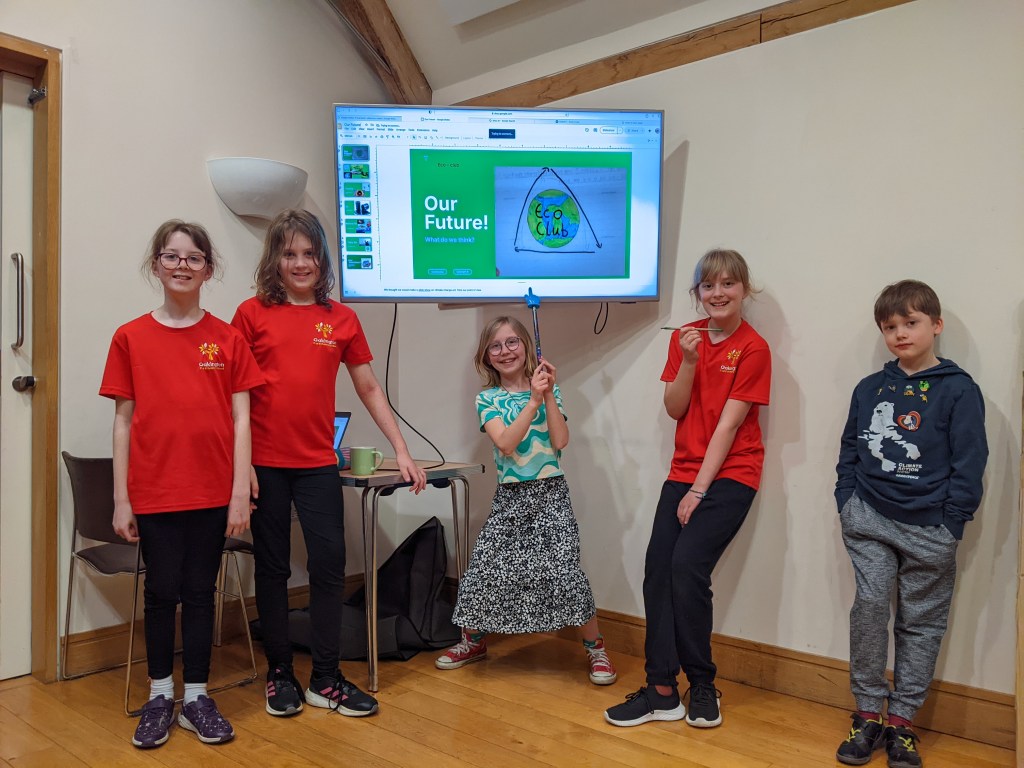
Thank you very much to the Eco Club for leading this part of the meeting!
Our Future!
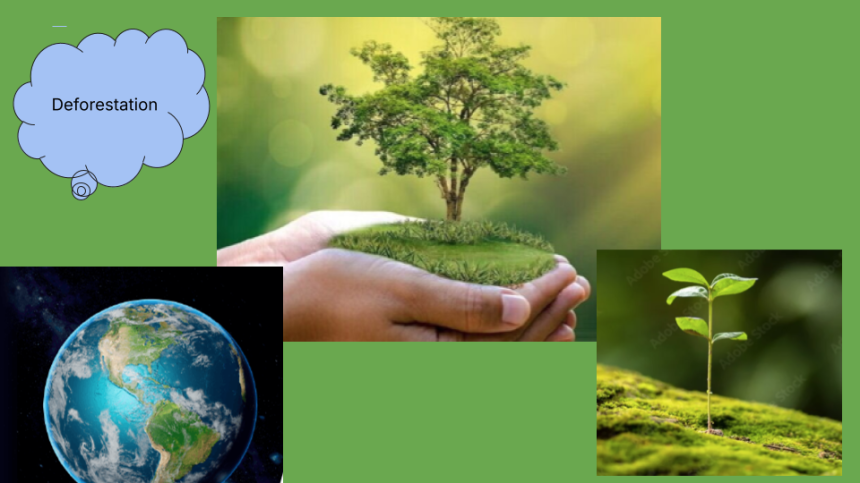
80% of animals live in forests but every year 1000s of square kilometers of forests get cut down every year wich is making animals lose their home also every time someone cuts down a tree you should plant a new one or two well most people plant the type of tree that is good for paper and wood but bad for animal homes.

Lots of people would squash insects if they see one, now thats like a giant just swatting you just because your tiny and different. I think many people forget that they are living animals, I also think we forget how important bugs are. They are at the bottom of the food change we would die. The total mass of insects is falling by a precipitous 2.5% a year, according to the best data available, suggesting they could vanish within a century.
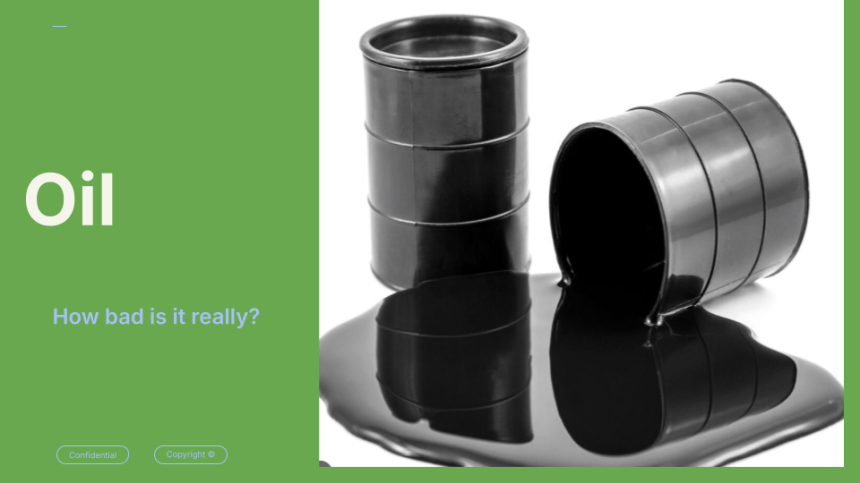
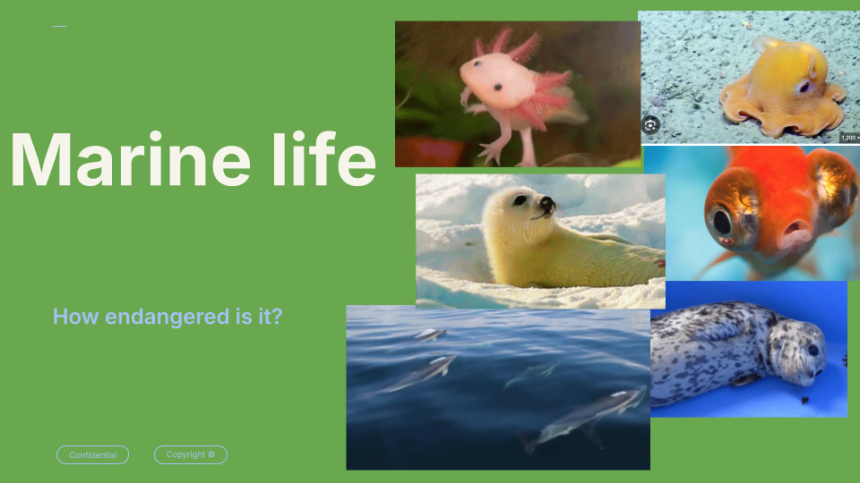
Oil is so harmful as we know to all of our planet it poisons rivers and hurts kills marine life as lizzie will explain.last year there was a massive oil spill in ireland this happened on the 22nd of january 2024 at 19:25. Oil is bad in many ways and not onley is it bad for the planet but it is also bad for our health.
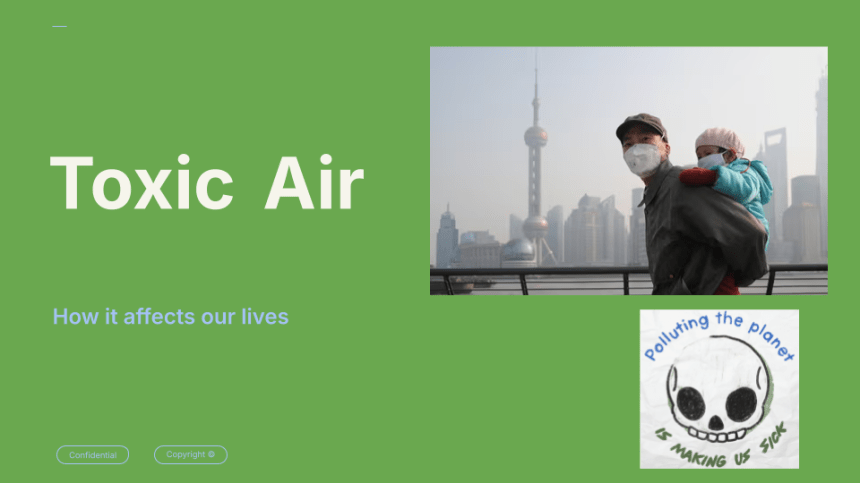
93% of children breathe in toxic air every day. What is really sad and worrying about air pollution is that 600,000 children under 15 die respiratory infection because of air pollution.we as a village obviously can’t stop climate change but in long term I think this is one of our biggest problems as well as sound pollution and light pollution the worst thing about toxic air is that innocent people animals with weak lungs are dying because weak lungs
 Sustainable Oakington and Westwick